
Buying Guides
How to Use a Wand Vibrator Solo and With a Partner
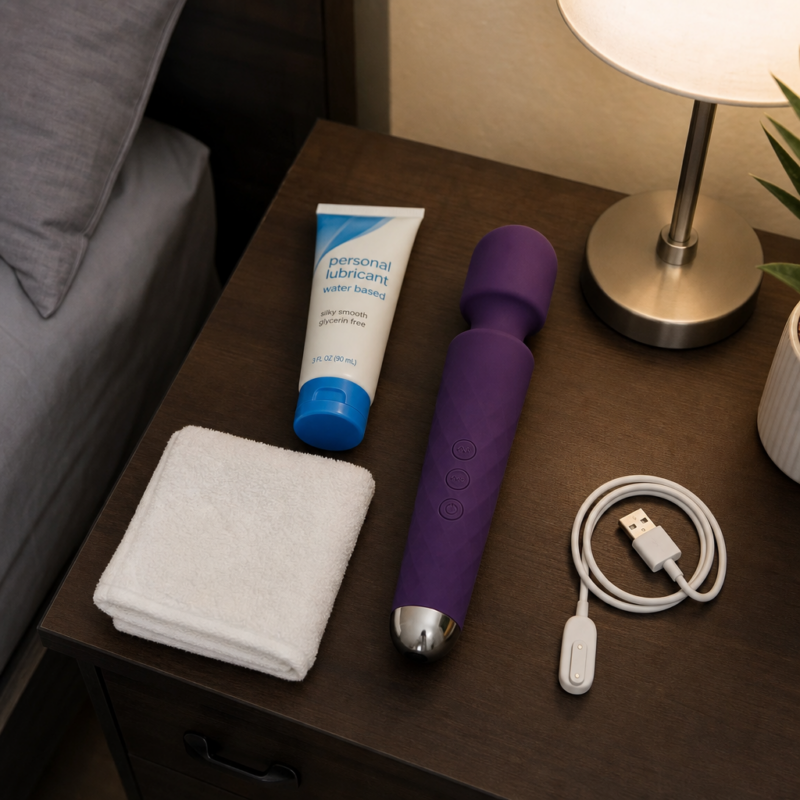
A wand vibrator is a broad-headed, powerful vibrator for pleasure that can be used externally on many parts of the body. This vibrator usage guide walks adults through safe setup, solo exploration, partner play, cleaning, storage, and simple troubleshooting so the experience feels comfortable instead of confusing. The best approach is to start low, use lubricant when helpful, communicate clearly, and treat the wand as a tool for sensation—not a race to any specific outcome.
What should you know before using a wand vibrator?
Before using a wand vibrator, know that it is typically designed for external stimulation and can feel intense because the motor and head are larger than many smaller toys. Start with the lowest setting, place fabric or underwear between the toy and skin if the sensation feels too strong, and avoid pressing hard for long periods in one spot. If you are using it with a partner, agree on consent, boundaries, words to pause or stop, and how you both want the wand to be introduced before anyone turns it on.
A wand can be used solo or with a partner for vulva, penis, perineum, nipple, inner thigh, and general body massage, depending on comfort and the toy’s design. Unless the product is specifically designed and labeled for internal use with an appropriate attachment, keep it external. Powerful vibration can be enjoyable, but comfort and safety matter more than intensity.
Use this as a practical, non-judgmental set of wand vibrator tips. Everyone’s body responds differently, so the “right” method is the one that feels good, respects limits, and leaves you feeling comfortable afterward.
Gather what you need before you start
Preparation makes a wand easier to enjoy. You do not need a complicated setup, but having the basics nearby prevents awkward pauses and helps you stay focused on comfort.
Use this quick checklist before solo or partner play:
- A clean wand vibrator: Wash it according to the manufacturer’s instructions before first use and after every use.
- The correct charger or fresh batteries: A low battery can weaken vibration or stop the toy mid-session.
- Water-based lubricant: This is a versatile choice for reducing friction on external areas and is usually compatible with most toy materials.
- A towel or soft blanket: This can help with positioning, cleanup, or muffling vibration intensity.
- A barrier if sharing: Condoms, toy covers, or other appropriate barriers can make sharing more hygienic, especially if switching between partners or body areas.
- A private, comfortable setting: Choose somewhere you can relax, adjust positions, and communicate without feeling rushed.
- A plan for stopping: For partner use, agree that “pause,” “slower,” or “stop” will be honored immediately.
If your wand is waterproof or splashproof, check the actual product guidance before bringing it near water. “Water-resistant” and “waterproof” do not always mean the same thing, and charging ports or seams may have limits. When in doubt, keep the toy dry and clean it with a damp cloth or approved toy cleaner rather than submerging it.
Learn your wand’s controls and settings
Take a minute to understand the wand before using it on your body. Turn it on while holding it in your hand, cycle through the speeds and patterns, and notice whether the vibration feels rumbly, buzzy, soft, or intense. This small test helps you avoid surprise and gives you more control once you begin.
Most wand vibrators include a power button, speed controls, and sometimes pattern settings. Some have flexible necks, removable heads, travel locks, or attachments. If your model has multiple functions, learn how to lower the intensity quickly; that is often more useful than knowing how to increase it.
Pay attention to heat, sound, and grip. A wand that becomes uncomfortably warm, makes unusual noises, smells odd, or behaves unpredictably should be turned off and checked before further use. Pleasure tools should feel reliable, not distracting or unsafe.
Use a wand vibrator solo step by step
Solo use is often the easiest way to discover what pressure, angle, and rhythm you enjoy. Move slowly, especially the first time, and think of the wand as something you guide around the body rather than hold rigidly in one spot.
Create a relaxed starting point
Choose a time when you are not rushed. Wash your hands, make sure the wand is clean, and set out lubricant, tissues, and anything else you may want nearby. If privacy helps you relax, silence notifications and make the room comfortable.
Your goal at this stage is not to force a specific response. It is to make your body feel safe enough to notice sensation. A calm setup can make a powerful vibrator feel less intimidating and more approachable.
Start over clothing or a soft barrier
Turn the wand on at the lowest setting and place it over underwear, a thin towel, or soft clothing. Try it first on less sensitive areas such as the thigh, hip, lower belly, or outer pubic area. This lets you experience the vibration without direct intensity.
If the wand already feels strong, keep the barrier and use lighter contact. If it feels too muted, gradually reduce the layers. Small adjustments are often enough; you rarely need to jump from indirect contact to maximum power.
Explore surrounding areas before direct stimulation
Move the wand slowly around the outer vulva, pubic mound, perineum, shaft, testicles, inner thighs, nipples, or other external areas that feel good to you. Use gentle pressure and broad contact rather than digging the head into one spot. Notice which areas feel pleasant, neutral, too intense, or ticklish.
This exploration helps you map your own preferences. Many people enjoy indirect stimulation more than direct contact, especially with a wand. If sensation becomes overwhelming, move away from the most sensitive area, lower the speed, or pause.
Adjust angle, pressure, and distance
A wand does not have to sit flat against the body. Try using the edge of the head, the broad face of the head, or a light hovering contact through fabric. Adjusting angle can change the feeling without changing the speed.
Pressure matters too. A firmer hold may transmit more vibration, but too much pressure can create numbness or discomfort. If you notice tingling that feels unpleasant, reduced sensation, soreness, or irritation, give that area a break.
Use lubricant when friction appears
Wands vibrate rather than glide on their own, so friction can happen when you move the head across skin. A small amount of water-based lubricant can make external contact feel smoother. Apply more only if needed; too much can make the wand slippery and harder to control.
Lubricant is especially useful around areas where skin folds, hair, or dryness create drag. Keep it away from charging ports and follow your toy’s cleaning instructions afterward. If irritation occurs, stop and consider whether the lubricant, pressure, or duration may be the cause.
Experiment with rhythm instead of chasing power
Many people assume a wand works best on the highest setting, but the most enjoyable use often comes from rhythm and pacing. Try steady contact, slow circles, gentle tapping, pulsing movement, or moving closer and farther away from sensitive areas. If your wand has patterns, test them briefly and return to a steady setting if patterns feel distracting.
Build gradually. Your body may respond better when sensation rises and falls rather than staying intense the entire time. If you feel overstimulated, pause with the wand off, breathe, and restart lower if you want to continue.
End with aftercare and cleanup
When you are done, turn the wand off before setting it down. Clean the head and any area that contacted lubricant or body fluids. Let the toy dry fully before storage.
Check in with your body afterward. Mild sensitivity can happen, but sharp pain, lingering numbness, skin irritation, or discomfort are signs to change your technique next time or take a break. Solo play should leave you feeling good, not sore or pressured.
Use a wand vibrator with a partner step by step
Partnered wand play works best when the wand supports connection rather than replaces communication. The person receiving sensation should guide intensity, placement, and pace, while the person holding the wand should stay responsive. Consent is not a one-time question; it continues throughout the experience.
Talk before the wand comes out
Discuss interest, boundaries, and practical details while everyone is clothed and relaxed. Ask what areas are okay to touch, what areas are off-limits, and whether the wand should be used over clothing first. This conversation can be simple and warm: “Do you want to try it on a low setting?” or “Tell me if you want more, less, or a pause.”
Agree on direct language. “More pressure,” “less pressure,” “stay there,” “move,” and “stop” are useful phrases. If either person feels unsure, start with non-genital body massage so the wand becomes familiar without pressure.
Let the receiving partner control the first contact
A good first step is to let the receiving partner hold the wand or place it where they want it. This gives them control over intensity and locati0n. Once they feel comfortable, the other partner can take over if invited.
This approach reduces guesswork. It also helps the person holding the wand learn what the receiving partner actually likes instead of relying on assumptions. If you switch roles, repeat the same process rather than assuming preferences are identical.
Start with external body contact
Use the lowest setting on areas such as shoulders, thighs, hips, lower back, chest, or over underwear. This can be sensual without becoming too intense too quickly. It also gives both partners time to relax into the sound, vibration, and shared rhythm.
Keep checking in with short, natural questions. “Is this pressure okay?” or “Do you want it lower?” works better than constant commentary. The goal is attentive pacing, not a performance.
Move toward more sensitive areas gradually
If the receiving partner wants genital stimulation, approach indirectly first. For vulva-focused use, try the pubic mound, outer labia, inner thighs, or beside the clitoral area before direct contact. For penis-focused use, try the base, shaft through a hand, perineum, or surrounding areas before concentrating on the most sensitive spots.
Indirect contact can be especially important with a powerful wand. If direct contact is requested, use a low setting and light pressure. Add lubricant if needed and avoid staying in one exact place so long that sensation becomes numbing or uncomfortable.
Coordinate the wand with touch, kissing, or intercourse only if comfortable
A wand can be used alongside hands, mouth, kissing, or penetrative sex, but it does not have to be combined with anything else. If using it during intercourse, choose positions that leave enough space for the wand and allow easy removal. Keep cords, if any, away from tangling or pulling.
Communication becomes even more important when multiple sensations happen at once. If the wand blocks movement, feels too strong, or distracts from connection, simplify. Sometimes the best wand vibrator tips are the least complicated: lower the speed, change the angle, or use it briefly rather than continuously.
Switch roles intentionally
If both partners want to receive, pause to clean the wand or change the barrier before switching body areas or users. This is especially important if the wand has contacted genitals, anal areas, or body fluids. Hygiene protects comfort and helps everyone stay relaxed.
When roles switch, do not copy the exact technique automatically. Ask again about settings, pressure, and placement. One partner may love strong vibration while the other prefers indirect contact over fabric.
Close with care and feedback
After partner play, clean the wand and any attachments. Then check in: what felt good, what was too intense, what would you repeat, and what would you change? Keep the tone appreciative rather than critical.
This feedback helps future experiences feel easier. It also builds trust because both partners know their comfort matters as much as pleasure. A wand can be playful, intimate, or practical, but it should never create pressure to perform.
Choose safe pressure, timing, and placement
A wand’s strength is one of its biggest benefits, but it also means you should be thoughtful about pressure and duration. Use the least intensity that creates enjoyable sensation, then increase only if your body wants more. If a setting feels “almost too much,” it is usually better to lower it or add a barrier than to push through.
Avoid using strong vibration on injured, irritated, swollen, or painful skin. Do not use the wand on areas where you have reduced sensation unless you can monitor pressure and temperature carefully. If you have pelvic pain, recent surgery, pregnancy-related concerns, nerve issues, implanted medical devices, or any medical condition that makes vibration uncertain, ask a qualified healthcare professional for guidance.
For external genital use, take breaks. Numbness can happen when vibration is too strong or too concentrated. A short pause, lower speed, or different placement often restores comfort and keeps the experience enjoyable.
Keep hygiene simple and consistent
Cleaning is part of good vibrator usage guide practice, not an optional final step. Wash the toy before first use, after each use, and between users or body areas when appropriate. Follow the manufacturer’s instructions because materials and waterproof ratings vary.
For many nonporous toy surfaces, mild soap and warm water may be appropriate, but only if the product instructions allow it. Some wands should not be submerged, especially if they are not fully waterproof. In that case, clean the head carefully with a damp cloth and approved toy cleaner, keeping moisture away from charging ports, seams, or electrical components.
Use these hygiene habits consistently:
- Clean before and after use: Dust, lint, and residue can collect during storage.
- Dry completely before storing: Moisture can encourage odor or material issues.
- Use barriers when sharing: This can make cleanup easier and reduce fluid transfer.
- Change barriers between body areas: Especially when moving from anal contact to genital contact.
- Store separately when possible: A pouch or clean drawer keeps the toy away from lint and incompatible materials.
- Inspect the surface: Cracks, peeling, sticky texture, or damage are reasons to stop using the toy.
If your wand has removable attachments, clean each piece separately. Let everything dry before reassembling. Good hygiene protects both the toy and the people using it.
Add accessories only when they serve a purpose
Attachments can make a wand more versatile, but they are not required. A plain wand head is enough for many people. If you add accessories, choose ones designed for your specific wand model or clearly compatible with its head size and material.
Common accessories include textured caps, sleeves, sleeves shaped for external stimulation, or attachments intended to diffuse vibration. Some attachments may concentrate intensity, while others soften it. Read the product guidance before use, especially if an attachment changes how the toy contacts the body.
Use accessories with the same safety mindset as the wand itself. Keep them clean, use lubricant if friction appears, and stop if something pinches, pulls, or feels unstable. If an attachment slips during use, pause and reposition rather than trying to continue.
How do you make a wand vibrator feel less intense?
To make a wand vibrator feel less intense, lower the speed, use it over underwear or a towel, move it slightly away from the most sensitive area, reduce pressure, or use the edge of the head instead of the full surface. You can also use shorter bursts rather than continuous contact. If the sensation remains overwhelming even on the lowest setting, choose a smaller or gentler toy instead of forcing the wand to work for you.
Intensity is not a test of experience. Some bodies prefer strong vibration, and some prefer soft, indirect stimulation. Both are normal.
Try these comfort adjustments:
- Add a layer. Fabric diffuses vibration quickly and is one of the easiest ways to soften a powerful wand.
- Use indirect placement. Stimulate beside the most sensitive area instead of directly on it.
- Change your grip. Holding the wand loosely can reduce pressure and make movement easier.
- Take breaks. Turn it off for a moment before sensation becomes too much.
- Use a pillow for support. Better positioning can reduce the urge to press hard.
- Skip patterns if they distract you. A steady low vibration may feel calmer than pulsing modes.
If you often become numb, sore, or overstimulated, shorten sessions and use lower settings. Pleasure should feel responsive, not like something you have to endure.
Use positions that make control easier
Positioning affects how easy it is to hold the wand, control pressure, and communicate. The best position is one where the receiving person can relax and the wand can be moved away quickly. Avoid positions that trap the toy between bodies with too much pressure unless both people can adjust easily.
For solo use, lying on your back with knees bent can provide access and control. Side-lying can feel more relaxed and may reduce arm fatigue. Sitting with pillows behind your back can help you see and adjust placement more easily.
For partner use, choose positions that keep one person’s hand free and allow the receiving partner to guide or remove the wand. Spooning, face-to-face positions, or lying side by side can make communication feel natural. If using the wand during intercourse, slower movement and open space around the pelvis usually make the toy easier to manage.
Comfort also includes sound and vibration transfer. Wands can be louder than smaller toys, and vibration can travel through mattresses, floors, or furniture. A blanket, pillow, or softer surface can reduce some vibration transfer, but do not cover vents or cause the toy to overheat.
Communicate clearly during partner play
Good communication can be simple, specific, and sexy without being theatrical. The person receiving stimulation should feel free to guide the person holding the wand. The person holding it should listen without taking feedback personally.
Useful phrases include:
- “A little lower.”
- “Less pressure.”
- “Stay there.”
- “Move slower.”
- “Try it over the fabric.”
- “Pause for a second.”
- “That setting is too strong.”
- “I like that, but not directly.”
Nonverbal signals can help too, but do not rely on them alone. Bodies tense, shift, or go quiet for many reasons. If you are unsure, ask and wait for a clear answer.
For a first time using a wand together, agree that feedback is welcome. You might say, “Let’s treat this like experimenting, not performing.” That mindset removes pressure and makes the experience easier to enjoy.
Avoid common beginner mistakes
Most wand problems come from going too strong, too fast, or too silent. A wand is powerful enough that small changes make a big difference. Slow exploration gives you more useful information than jumping immediately to the highest setting.
Common mistakes to avoid include:
- Starting on maximum power: Begin low so the body can adjust.
- Pressing too hard: More pressure is not always more pleasure and may cause numbness.
- Staying in one spot too long: Move slightly or take breaks to prevent overstimulation.
- Skipping lubricant when there is friction: Dry dragging can irritate skin.
- Using it internally without the right design: Standard wand heads are generally for external use.
- Ignoring cleaning instructions: Different materials and waterproof ratings need different care.
- Assuming a partner likes what you like: Ask, observe, and adjust.
- Treating orgasm as the only goal: Sensation, relaxation, closeness, and exploration are valid outcomes.
If something does not feel good, it does not mean the wand is wrong for you. It may mean the setting, angle, barrier, position, or timing needs to change. The most useful skill is adjusting early instead of pushing through discomfort.
Build a simple solo routine
A routine can make solo use feel less like trial and error. Keep it flexible, but give yourself a sequence to follow so you can learn what works over time.
Try this beginner-friendly routine:
- Clean the wand and set out lubricant. Make sure everything you need is within reach.
- Test the lowest setting in your hand. Notice the strength before it touches sensitive areas.
- Start over clothing on thighs or hips. Let your body adjust to the vibration.
- Move closer to sensitive areas gradually. Use indirect contact first.
- Add lubricant if skin contact creates friction. Use only enough to improve glide.
- Experiment with one variable at a time. Change speed, pressure, or angle—not all at once.
- Pause when sensation peaks or becomes too much. Breaks help prevent numbness.
- Clean and store the wand after use. Keep the habit simple and consistent.
Tracking preferences can help if you like structured learning. You do not need a formal journal; simply remember whether you preferred fabric, direct contact, low speed, steady vibration, or a specific position. Over time, these details become your personal vibrator usage guide.
Build a simple partner routine
Partnered routines should include consent, warm-up, active feedback, and cleanup. The sequence can be sensual and relaxed, but it should still protect everyone’s comfort.
Try this first-time partner routine:
- Discuss interest and boundaries before starting. Name any off-limit areas and agree on stop language.
- Let the receiving partner test the wand. They can hold it, feel the settings, and choose the starting intensity.
- Begin with non-genital contact. Use shoulders, thighs, back, or hips to establish comfort.
- Move toward intimate areas only with clear permission. Ask before changing placement.
- Use indirect contact first. Fabric, nearby areas, or lighter pressure can prevent overwhelm.
- Check in with short questions. Ask about pressure, locati0n, and speed.
- Pause before switching users or body areas. Clean the wand or change barriers as needed.
- Talk afterward. Share what worked and what to adjust next time.
This routine keeps the wand from becoming the center of attention in a stressful way. Instead, it becomes one tool in a shared experience. The more comfortable you become, the more naturally you can adapt it.
What if the wand does not feel good at first?
If a wand vibrator does not feel good at first, stop and change one thing at a time: lower the setting, add a fabric layer, use more indirect placement, reduce pressure, add lubricant, or try a different position. If it still feels unpleasant, the wand may be too powerful, the vibration style may not suit you, or you may simply need a different kind of vibrator for pleasure. There is no need to keep using a toy that does not feel comfortable.
Troubleshooting is easiest when you identify the problem:
- Too intense: Use a barrier, lower speed, move away from sensitive areas, or try shorter contact.
- Too weak: Charge the toy, remove extra fabric, increase speed gradually, or use a broader contact point.
- Too buzzy or irritating: Try indirect placement, shorter sessions, or a different vibration style if available.
- Awkward to hold: Change positions, use pillows, or let a partner hold it with your guidance.
- Too loud: Use it on a softer surface, close doors, play ambient sound, or choose a quieter toy next time.
- Skin feels irritated: Stop, clean the area gently, avoid more friction, and check lubricant or material compatibility.
Do not ignore pain, burning, sharp discomfort, or lingering numbness. Those are signals to stop and reassess. A good experience should feel adjustable and safe.
Care for the wand between uses
Storage affects cleanliness, material quality, and battery life. Once the wand is clean and dry, store it somewhere cool, dry, and away from direct sunlight. If it came with a pouch, use it; if not, a clean fabric bag can help keep lint and dust away.
Keep the charger with the toy or in a place you will remember. Avoid wrapping cords tightly around the wand because that can strain the cable over time. If the toy has a travel lock, learn how to use it before packing it in luggage or a bag.
Check the wand occasionally even when you have not used it. Look for surface changes, loose parts, damaged cords, or charging issues. If anything seems unsafe, stop using it until you can confirm the product is still in good condition.
Make the experience personal, not performative
The best way to use a wand vibrator is to stay curious and responsive. A technique that works one day may feel different another day because stress, hormones, mood, arousal, medication, energy, and relationship dynamics can all affect sensitivity. Treat each session as a fresh check-in rather than a script you must follow perfectly.
For solo use, give yourself permission to enjoy exploration without measuring the result. For partner use, let communication be part of the intimacy rather than an interruption. A wand can support pleasure, relaxation, and connection when it is used with patience and care.
If you remember only a few wand vibrator tips, keep these: start low, use external contact, add lubricant when needed, clean the toy properly, and communicate before and during partner play. With those basics in place, a wand becomes much easier to use confidently, whether you are exploring alone or sharing the experience with someone you trust.
Related products
- Svakom Mini Emma Flexible Ultra Soft Clitoris Double Wand Vibrator — $37.00
- LNW Koi Quiet Wand Vibrator for Clitoral Stimulation — $60.80
- ZALO KYRO Big Magic Silicone Mutifunctional AV Wand Vibrator — $141.90
- LIBO Intelligent APP Control Heating G Spot Vibrator Wand — $30.99