
Buying Guides
Anal for Beginners Preparation Lube and Pace
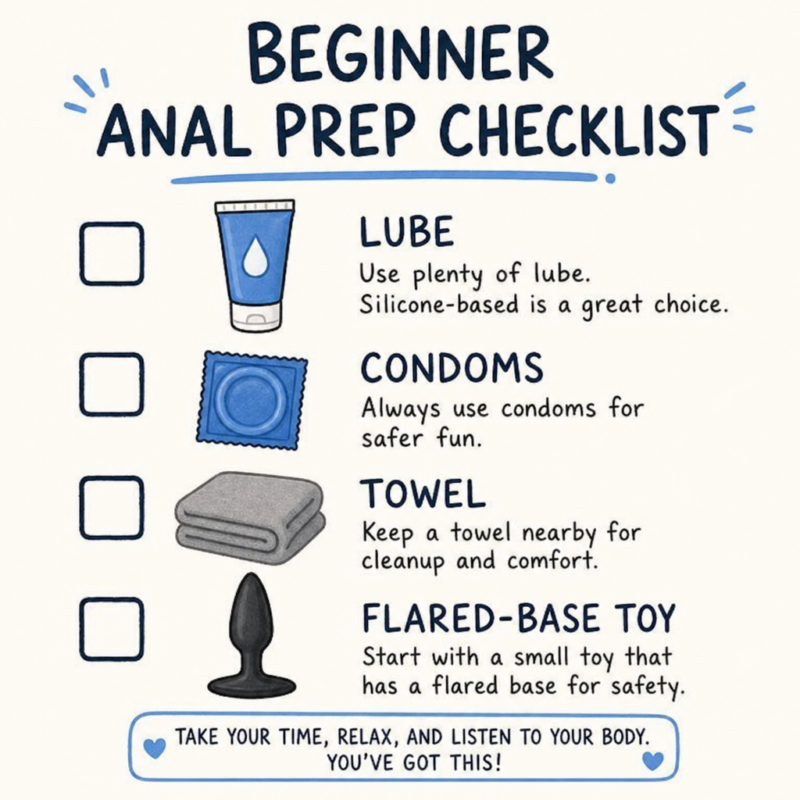
Anal play can feel good, intimate, and low-pressure when it is approached with preparation, communication, enough lubricant, and a pace that never ignores comfort. This guide walks beginners through practical anal prep tips, including hygiene, relaxation, lubrication, safer sex basics, and what to do if something feels off. The goal is not to “push through,” perform, or rush; it is to create conditions where everyone involved can stay relaxed, informed, and able to stop at any time.
What should beginners know before trying anal play?
Beginners should know that anal play requires consent, patience, lubrication, and clear communication because the anus does not self-lubricate and the muscles around it need time to relax. Discomfort is a signal to slow down, adjust, or stop, not something to overcome. The safest preparation for anal is usually simple: talk first, clean gently, use plenty of body-safe lube, start small, move slowly, and keep hygiene boundaries clear.
Anal play is not one single act. It can include external touch, massage, fingers, plugs, toys, or penetrative sex, and beginners do not need to progress through all of those in one session. A successful first experience may be as simple as learning what kind of touch feels comfortable and stopping there.
It also helps to remove performance pressure. If either person is worried about “doing it right,” the body often tenses, and tension makes anal play harder. Treat the first few times as exploration, not a test.
Beginner ground rules
Use these ground rules before you start:
- Get clear consent first. Everyone should actively want to try it, not simply agree under pressure.
- Use lube generously. Reapply before anything feels dry, sticky, or uncomfortable.
- Start externally. Do not jump straight to penetration.
- Go smaller than you think. A finger or small flared-base toy is plenty for many beginners.
- Stop for sharp pain, burning, numbness, dizziness, or anxiety. Pausing is not failure.
- Keep anal and vaginal contact separate. Change condoms, wash hands, or clean toys before switching areas.
- Avoid numbing products. Pain and discomfort are useful warning signs.
- Use toys with a flared base. Anything used anally should be designed so it cannot slip fully inside.
Step 1: Talk through consent, boundaries, and expectations
Before any physical preparation, have a calm conversation about what each person wants, what is off-limits, and how you will communicate during the experience. This is the foundation of anal sex preparation safety tips because the most important safety tool is not a product; it is the ability to pause or stop without awkwardness. Choose a time outside the heat of the moment so nobody feels rushed into agreeing.
Talk about what kind of anal play you are considering. External touch, a finger, a small plug, and penetrative sex are very different experiences, and saying yes to one does not mean yes to all. Beginners often feel more comfortable when the plan is intentionally modest.
Set a stop word or simple phrase if that helps. It does not need to be dramatic; “pause,” “slower,” “more lube,” and “stop” are clear enough. The receiving partner should not have to explain or justify a stop request in the moment.
A useful conversation might cover:
- What you want to try first. Keep the first goal simple and specific.
- What is not happening today. Clear limits reduce anxiety.
- How you will check in. Agree on verbal check-ins and nonverbal signals.
What safer sex methods you will use. Discuss condoms, gloves, barriers, and cleaning.
- What happens if it does not work. Decide in advance that stopping is normal.
If a partner dismisses your concerns, makes jokes at your expense, or treats your hesitation as a challenge, do not continue. Anal play requires trust. Without it, the practical tips in this guide will not compensate.
Step 2: Prepare your body without overdoing hygiene
Hygiene matters, but many beginners overcorrect and turn preparation into a stressful routine. For most people, basic washing around the outside of the anus with warm water and mild soap is enough. The aim is to feel clean and comfortable, not to scrub, irritate, or make the body behave like it is not a body.
If you have had a recent bowel movement and showered, you may already be prepared enough for external play or gentle beginner exploration. A dark towel can reduce worry and make cleanup easier. Some people also prefer to use the bathroom beforehand so they feel less tense.
This is where realistic anal sex preparation tips hygiene lubrication advice matters: hygiene and lubrication work together, but hygiene should not damage the tissue. The skin around the anus can become irritated if it is scrubbed harshly or exposed to strong soaps, scented wipes, alcohol-based products, or excessive cleaning. Irritation can make play less comfortable and may increase the chance of small tears.
If you choose to rinse internally, keep it gentle and limited. Use plain lukewarm water, avoid force, and do not turn it into a repeated or aggressive process. Internal rinsing is not required for every person or every type of anal play, and overdoing it can cause irritation or cramping.
Simple hygiene checklist
Before starting, consider this low-stress preparation for anal:
- Shower or wash externally with warm water.
- Use mild, unscented soap only on the outside.
- Trim and smooth fingernails if fingers may be involved.
- Wash hands thoroughly.
- Put condoms, gloves, tissues, and a towel nearby.
- Clean toys according to their material and instructions.
- Avoid scented wipes, deodorizing sprays, harsh scrubs, or strong internal cleaning.
- Use a fresh condom or clean barrier when switching between anal and any other body area.
The goal is confidence, not perfection. Bodies are not sterile, and anal play always benefits from practical cleanup planning. Keeping tissues, a towel, and a trash bin nearby can help everyone stay relaxed.
Step 3: Choose the right lubricant and use more than you think
Lubrication is central to anal sex preparation techniques safe tips because the anus does not create its own natural lubrication the way the vagina can. Without enough lube, friction increases quickly, and friction can cause discomfort, irritation, or small tears. For beginners, using too little lube is one of the most common mistakes.
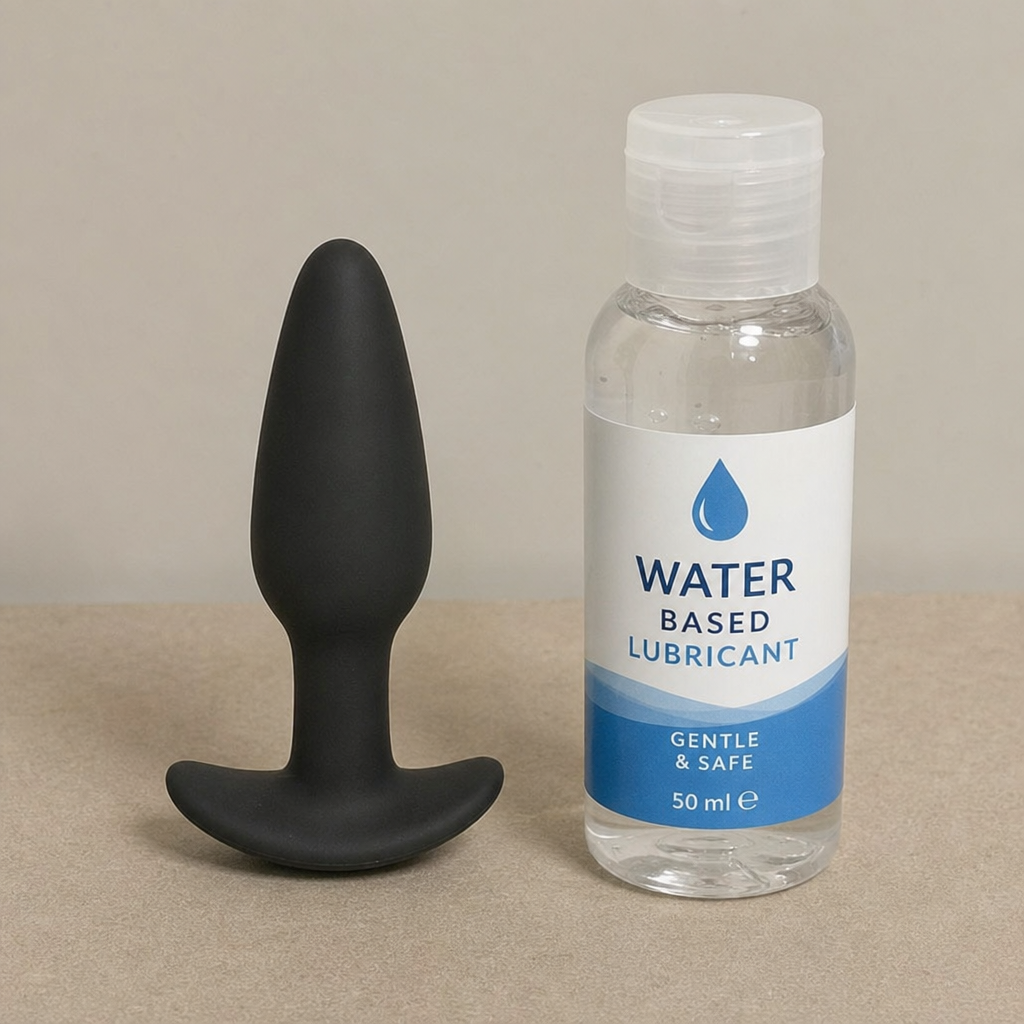
Start by choosing a body-safe lubricant that fits what you are using. Water-based lube is versatile, easy to clean, and compatible with most condoms and toys. Silicone-based lube usually lasts longer and can be helpful for anal play, but it may not be compatible with some silicone toys, so check the toy manufacturer’s guidance. Oil-based products can damage latex condoms and are not ideal when latex barriers are part of safer sex.
Apply lube to the outside of the anus, to the finger, condom, or toy, and reapply during play. Do not wait until something hurts. If movement starts to feel draggy, dry, warm in an unpleasant way, or resistant, pause and add more.
A good beginner rule is simple: if you wonder whether you need more lube, you probably do. Lube is not only about comfort; it helps reduce friction so the body can relax instead of guarding against irritation. For anal sex preparation lubrication relaxation tips, lube and pace belong together.
Lube comparison for beginners
| Lube type | Best for | Watch out for |
|---|---|---|
| Water-based | Most condoms, most toys, easy cleanup | May dry out faster and need reapplication |
| Silicone-based | Longer-lasting glide, often useful for anal play | May not suit silicone toys; can be harder to wash off |
| Hybrid | Balanced feel, depending on formula | Check toy and condom compatibility |
| Oil-based | External massage when barriers are not involved | Can damage latex condoms; not always ideal internally |
Avoid using saliva as your main lubricant. It dries quickly and does not provide the cushion beginners usually need. Also avoid numbing creams unless a qualified clinician specifically recommends them for a medical reason. Numbing products can hide pain that should tell you to stop.
Step 4: Create a relaxed setting before touching starts
Relaxation is not a luxury; it is part of safe anal preparation. The anal sphincter muscles can tighten in response to stress, surprise, cold hands, rushed movement, or fear of pain. When the receiving partner feels calm and in control, those muscles have a better chance of softening gradually.
Set up the space first. Put lube, condoms, gloves, toys, towels, and cleanup items within reach so nobody has to interrupt the moment searching for supplies. Make the room warm enough, choose a position where the receiving partner can relax, and agree that there is no deadline.
Breathing helps too. Slow exhalations can reduce clenching, especially before any new sensation. The receiving partner can try relaxing the jaw, shoulders, belly, and pelvic floor instead of holding the whole body tense. The giving partner should move predictably and ask before changing pressure, speed, or depth.
This step is also emotional. If someone feels embarrassed about hygiene, worried about noise, or afraid of disappointing their partner, the body may resist even when the mind is curious. A reassuring partner who can slow down, laugh kindly, and accept a change of plan makes a real difference.
Set the mood for control, not pressure
Helpful setup choices include:
- Keep lights at a level that feels comfortable.
- Use a towel so cleanup worries do not dominate.
- Start with kissing, massage, or non-anal touch if everyone wants that.
- Keep the receiving partner in a position where they can move away easily.
- Agree that the first session can end before penetration.
- Check in with neutral questions like, “Do you want the same, slower, or stop?”
Relaxation does not mean ignoring nerves. It means building enough safety that nerves do not run the entire experience.
Step 5: Start externally and let the body adjust
Begin with external touch around the buttocks and outside of the anus before trying any insertion. This gives the receiving partner time to learn the sensation and decide whether they want more. It also gives the giving partner feedback about pressure, angle, and pacing.
Use lube even for external touch. Gentle circles, steady pressure, or light contact may feel better than quick or unpredictable movement. The receiving partner can guide with words or movement, and the giving partner should treat that guidance as the main source of instruction.
Do not poke suddenly or aim for penetration before the body is ready. A common beginner mistake is assuming that enough lube means insertion should be easy. Lube helps, but muscles still need time.
If external touch feels uncomfortable, pause and adjust. You might need more lube, a different angle, slower breathing, less pressure, or simply more time. If it still feels wrong, stop there for the day.
Anal play tips for this stage are intentionally simple:
- Touch outside first. Let the body register sensation without pressure.
- Use steady contact. Sudden movements can cause clenching.
- Ask for feedback. Comfort can change quickly.
- Add lube early. Do not wait for dryness.
- Stop while things still feel good. Ending early can build confidence for next time.
External play can be the entire experience. There is no requirement to “graduate” to anything else.
Step 6: Use fingers or toys slowly and safely
If everyone wants to continue, start with the smallest comfortable option. A well-lubed finger, a gloved finger, or a small anal-safe toy can help the receiving partner learn how gentle pressure feels. Any toy used anally must have a flared base, handle, or retrieval design that prevents it from slipping fully inside.
Move slowly at the entrance and allow the receiving partner to breathe and adjust. The first sensation may feel unfamiliar, full, or strange even if it is not painful. Pause often. The giving partner should not thrust, twist, or increase depth without consent.
Fingernails matter. Trim them short, file rough edges, and consider gloves for smoother contact and easier cleanup. Gloves can also be useful if there are small cuts on the hands or if switching tasks would otherwise be messy.
If using a toy, choose one designed for beginners rather than one that looks impressive. Smaller, smooth, flexible, and simple is better than large, textured, or intense. Wash the toy before and after use, and use lube compatible with the toy material.
Safe toy basics
Use this quick checklist before any anal toy play:
- The toy has a flared base or safe retrieval design.
- The surface is smooth and undamaged.
- The toy is clean before use.
- The lube is compatible with the toy material.
- The size is beginner-friendly.
- The receiving partner can stop at any point.
- The toy is cleaned again after use.
- The toy is not shared without proper cleaning and fresh barriers.
Do not use household objects for anal play. They may have rough edges, unsafe materials, breakable parts, or shapes that can become difficult to remove. Purpose-made anal toys exist for a reason.
How fast should you go during beginner anal play?
Go slowly enough that the receiving partner can breathe normally, relax between changes, and give clear feedback before anything intensifies. A good pace is not measured by speed; it is measured by comfort, communication, and the ability to stop immediately. If the body clenches, pain appears, or anxiety rises, slow down or pause rather than pushing forward.
Pace is one of the most important anal sex preparation tips safe beginners can follow. Many uncomfortable first experiences happen because someone tries to copy porn, meet a partner’s fantasy, or treat anal sex like vaginal or oral sex with different anatomy. Beginner anal play needs its own rhythm.
Think in stages: touch, pause, add lube, breathe, check in, continue only if wanted. Each transition should feel optional. If the receiving partner needs a minute, that minute is part of the process, not an interruption.
A beginner pacing framework
Try this sequence if everyone wants a clear plan:
- Start with external touch for several minutes. Let comfort build before changing anything.
- Add lube before any insertion attempt. Apply it generously and reapply as needed.
- Use gentle pressure at the entrance. Wait for the body to soften; do not force entry.
- Pause after any new sensation. Give the receiving partner time to assess comfort.
- Use small movements first. Depth and speed are less important than ease.
- Check in often. Ask whether to continue, slow down, add lube, or stop.
- End before fatigue or soreness. Beginners often do better with shorter sessions.
The receiving partner can also control pace directly by positioning themselves so they can move toward or away from pressure. This can reduce fear because they are not relying entirely on someone else to notice subtle signals.
Step 7: Choose positions that support control and comfort
Position affects relaxation, angle, and communication. For beginners, the best position is usually one where the receiving partner feels stable, can breathe easily, and can control depth or movement. Avoid positions that make someone feel trapped, stretched, or unable to pull away.
Side-lying can feel low-pressure because it allows the body to stay relatively relaxed and makes sudden deep movement less likely. A receiving partner on top can control depth and pace, though it may feel emotionally intense for some beginners. A bent-over position may be familiar to some people, but it can also make communication harder if faces are turned away.
Use pillows if they help align the hips or reduce strain. Small adjustments can make a big difference. If a position creates pinching, pressure, or nervousness, change it.
Good beginner positions usually share these qualities:
- The receiving partner can move away easily.
- Breathing is not restricted.
- The giving partner can see or hear feedback.
- The angle does not feel sharp or forced.
- Lube can be reapplied without awkwardness.
- Nobody has to hold an uncomfortable pose.
There is no universally “best” position. The best one is the one that keeps the receiving partner relaxed and keeps communication easy.
Step 8: Practice safer sex and prevent cross-contamination
Anal tissue can be delicate, and safer sex planning matters. Condoms can reduce exposure to sexually transmitted infections and make cleanup easier. Gloves can be useful for finger play, especially if hands have cuts or if you want a quick way to switch activities cleanly.
One of the most important anal sex preparation tips safety hygiene points is to avoid moving from anal contact to vaginal contact without cleaning or changing barriers. Bacteria from the rectal area can increase the risk of vaginal or urinary discomfort or infection. If you switch from anal to vaginal or oral contact, change condoms, wash hands, clean toys, or use a fresh barrier.
The same principle applies to toys. If a toy has been used anally, clean it before using it elsewhere. If you are sharing toys between partners, use condoms on toys or clean them thoroughly according to material instructions.
Safer sex also includes knowing your own health and talking honestly with partners. Discuss STI testing, barriers, and any irritation, bleeding, sores, or symptoms before sexual contact. If something seems medically concerning, postpone play and seek professional advice.
Barrier and cleanup checklist
Keep these items nearby:
- Condoms that fit the body or toy being used.
- Nitrile or latex gloves if desired.
- Water-based or compatible lubricant.
- A towel or disposable pad.
- Tissues or wipes for external cleanup.
- Mild soap and water for washing afterward.
- A bag or bin for used barriers.
- Toy cleaner if appropriate for your toys.
Preparation prevents clumsy decisions in the moment. When supplies are within reach, it is easier to maintain hygiene without stopping the entire experience.
Step 9: Listen to discomfort and troubleshoot early
Some unfamiliar pressure can happen during beginner anal play, but pain is not the goal and should not be ignored. Sharp pain, burning, tearing sensations, cramping, numbness, or emotional distress are reasons to stop. You can always try again another day with more preparation, more lube, a smaller option, or a different plan.
If something feels uncomfortable, do not immediately assume you are “bad at it.” Anal play involves anatomy, nerves, expectations, and timing. A small adjustment may solve the issue, or the body may simply not want it that day.
Use troubleshooting as a calm pause, not a critique. The receiving partner can say what they feel, and the giving partner can respond without defensiveness. The goal is to protect trust.
Common beginner problems and what to do
| What happens | Possible reason | What to try |
|---|---|---|
| Dry or draggy feeling | Not enough lube, lube drying out | Pause and reapply generously |
| Clenching or resistance | Anxiety, surprise, too much speed | Slow down, breathe, return to external touch |
| Burning sensation | Friction, irritation, product sensitivity | Stop, rinse gently if needed, switch products later |
| Sharp pain | Too much pressure, wrong angle, body not ready | Stop immediately; do not push through |
| Worry about mess | Normal body anxiety, poor setup | Use a towel, bathroom beforehand, simple cleanup plan |
| Loss of interest | Pressure, nerves, fatigue | Stop or switch to something else everyone enjoys |
If pain or bleeding continues after stopping, or if you have ongoing discomfort, talk with a qualified healthcare professional. This guide can offer general anal prep tips, but it cannot diagnose injuries or medical conditions.
Step 10: Aftercare, clean up, and check in
Aftercare does not need to be elaborate. It means helping everyone feel comfortable, respected, and physically okay after the experience. For beginners, this step can shape whether anal play feels safe enough to try again.
Start with gentle cleanup. Remove condoms or gloves carefully, wash hands, clean toys, and wash the external anal area with warm water if desired. Avoid harsh scrubbing afterward, especially if the area feels sensitive.
Then check in emotionally. Ask what felt good, what felt awkward, what should change next time, and whether anything feels sore. Keep the tone kind and practical. This is not a performance review.
The receiving partner may want water, the bathroom, cuddling, space, or a different activity. The giving partner may also have feelings to process, especially if the experience stopped earlier than expected. Treat a pause or stop as a normal outcome, not a disappointment.
Aftercare checklist
After anal play:
- Remove and dispose of barriers.
- Wash hands and clean under fingernails.
- Clean toys according to their instructions.
- Wash externally with warm water if desired.
- Drink water and rest if needed.
- Notice any lingering pain, bleeding, or irritation.
- Talk briefly about what worked and what did not.
- Make no assumptions about next time.
The best follow-up question is simple: “How are you feeling?” Let the answer guide what happens next.
Build confidence with gradual practice
Beginner anal play often improves when people separate curiosity from a finish line. Instead of deciding that one session must lead to penetrative sex, build comfort through smaller experiences. This is one of the most useful anal sex preparation tips hygiene lubrication relaxation approaches because it gives the body repeated chances to feel safe.
You might spend one session only discussing boundaries and buying supplies. Another might include external touch. Another might involve a finger or small toy. Progress is not measured by size, depth, or speed; it is measured by whether the experience remains consensual and comfortable.
This gradual approach also helps partners learn each other’s signals. The giving partner learns what relaxation looks and sounds like. The receiving partner learns what sensations they enjoy, what causes tension, and how to ask for changes.
A beginner progression could look like this:
- Conversation only. Discuss interest, boundaries, safer sex, and supplies.
- External exploration. Use lube and touch around the outside only.
- Brief gentle insertion. Try a well-lubed finger or small toy only if wanted.
- Short controlled movement. Keep it slow, shallow, and easy to stop.
- Longer play if desired. Increase only when previous steps feel comfortable.
There is no timeline. Some people enjoy anal play immediately; others need many attempts; others decide it is not for them. All of those outcomes are valid.
Avoid common beginner mistakes
Many beginner problems come from rushing, copying unrealistic examples, or treating preparation as optional. The good news is that most mistakes are preventable with communication and simple planning. The less you rely on improvisation, the easier it is to stay relaxed.
One major mistake is using too little lubricant. Another is assuming pain is normal. A third is skipping hygiene boundaries when switching between anal and other forms of sex. These may sound basic, but in the moment, excitement or nervousness can make people forget.
It is also a mistake to make anal play a surprise. Even if partners are sexually comfortable with each other, anal contact should be discussed before it happens. Surprise can trigger clenching, fear, or a loss of trust.
Avoid these beginner errors:
- Starting without a clear yes.
- Treating hesitation as something to overcome.
- Using spit instead of proper lube.
- Forgetting to reapply lube.
- Moving too fast after initial entry.
- Using toys without a flared base.
- Switching from anal to vaginal contact without cleaning or changing barriers.
- Using numbing creams to hide discomfort.
- Continuing through pain.
- Acting disappointed when someone wants to stop.
If you avoid only three mistakes, make them these: do not rush, do not skimp on lube, and do not ignore pain.
What supplies do you need for safer beginner anal play?
For safer beginner anal play, you need a body-safe lubricant, barriers such as condoms or gloves if they fit your situation, clean hands, trimmed nails, towels, and any anal-safe toy only if it has a flared base. You do not need an elaborate kit or extreme hygiene routine. The best supplies are the ones that support comfort, communication, and easy cleanup.
Choose quality basics instead of collecting products you may not use. A good water-based lube is a practical starting point because it works with many condoms and toys. If you later prefer longer-lasting glide, you can explore silicone-based options while checking toy compatibility.
If you are buying a toy, look for beginner size, smooth texture, and a base that cannot slip inside. Do not choose based on what seems impressive. Choose based on control and comfort.
Beginner supply list
A practical starter setup includes:
- Lubricant: Water-based or another body-safe option compatible with condoms and toys.
- Condoms: Useful for safer sex, easier cleanup, and toy use.
- Gloves: Optional, helpful for fingering and hygiene.
- Towel: Reduces worry about mess.
- Mild soap: For external washing and handwashing.
- Tissues or unscented cleanup wipes: For external cleanup only.
- Small anal-safe toy: Optional, with a flared base.
- Toy cleaner: If appropriate for the toy material.
Keep supplies within reach before starting. Having to search for lube halfway through can break relaxation, and continuing without it is not worth it.
Make communication part of the technique
Communication is not separate from technique; it is the technique that makes every physical step safer. Because the receiving partner’s comfort can change quickly, feedback should be normal and expected. The giving partner should listen for words, breathing, body tension, and changes in enthusiasm.
Use simple language. Beginners sometimes avoid speaking because they do not want to ruin the mood, but clear words can make the experience better. “More lube,” “stay there,” “less pressure,” “pause,” and “not that” are useful, not awkward.
The giving partner can ask questions that do not pressure the answer. Instead of “Is this okay?” repeated nervously, try offering choices: “Same, slower, or stop?” This makes it easier for the receiving partner to guide the pace without feeling like they must reassure anyone.
Good communication phrases include:
- “Let’s pause.”
- “More lube first.”
- “That angle is not comfortable.”
- “Stay external for now.”
- “Slower.”
- “I want to stop.”
- “That feels good; keep it the same.”
- “Can we switch to something else?”
A partner who responds well to feedback is part of safe preparation. A partner who argues with feedback is not.
Keep expectations realistic the first time
The first time may be enjoyable, awkward, brief, funny, emotional, or not quite right. That does not mean anything is wrong. Anal play asks people to coordinate trust, anatomy, hygiene, lube, relaxation, and timing, so it is normal if the first attempt is more about learning than intensity.
You may discover that the receiving partner needs much more warm-up than expected. You may discover that a product irritates skin, a position feels wrong, or a fantasy does not match real life. These discoveries are useful because they help shape safer and better choices next time.
Try not to compare your experience with porn or exaggerated stories. Those examples often skip preparation, communication, and realistic pacing. In real life, the unglamorous details—adding lube, pausing, laughing, changing position, stopping early—are what make the experience safer and more connected.
If anal play is not enjoyable, you do not have to keep trying. Sexual curiosity is not a contract. You can explore once, decide it is not for you, and still have a healthy sex life.
Quick beginner plan from start to finish
If you want a simple sequence, use this plan as a flexible guide. It combines anal sex preparation tips hygiene lubrication relaxation into one beginner-friendly flow. Adjust or stop at any point.
- Talk before the moment. Agree on what you want to try, what is off-limits, and how you will stop.
- Prepare supplies. Put lube, condoms, gloves, towels, and cleanup items nearby.
- Wash gently. Clean externally with warm water and mild soap; avoid harsh products.
- Relax first. Use touch, breathing, and a comfortable position to reduce tension.
- Start outside. Use lube and external touch before any insertion.
- Go small. If desired, try a well-lubed finger or small flared-base toy.
- Pause often. Let the receiving partner adjust after every new sensation.
- Reapply lube. Add more before friction becomes uncomfortable.
- Keep barriers clean. Change condoms or wash before switching areas.
- Stop early if needed. Pain, anxiety, or loss of interest are valid reasons.
- Clean up gently. Wash hands, clean toys, and dispose of barriers.
- Check in afterward. Talk about what worked and what to change.
This plan is not a script you must complete. It is a safety structure that helps you avoid rushing.
Final safety reminders for beginners
The best version of “Anal for Beginners: Preparation Lube and Pace” is simple: prepare calmly, use more lube than you think, move slowly, and treat comfort as the standard. Anal sex preparation tips safe enough for beginners are not about complicated routines. They are about consent, hygiene, lubrication, relaxation, communication, and stopping when the body says stop.
Remember that preparation for anal is both physical and emotional. Clean hands and good lube matter, but so do trust, patience, and the freedom to change your mind. If everyone involved can communicate openly and respond kindly, the experience is more likely to feel safe, respectful, and enjoyable.
Use these final takeaways:
- Consent must be clear, specific, and ongoing.
- Hygiene should be gentle, not harsh or obsessive.
- Lube is essential, not optional.
- Slow pacing protects comfort and trust.
- Pain means stop, not push through.
- Anal-safe toys need a flared base.
- Barriers and cleanup prevent cross-contamination.
- Aftercare helps everyone feel respected.
Start small, stay curious, and let comfort decide the pace.
Related products
- Svakom Primo Wearable G-Spot & Anal Remote Controlled bullet vibrator — $64.90
- DRY WELL Suction Cup Anal Female Masturbation dildo — $46.99
- AP44 App Control Anal Vibrator — $44.90
- Sevanda Pearl Anal Plug — $29.90