
Buying Guides
How to Use a Vibrator During Sex Best Positions and Tips for Couples
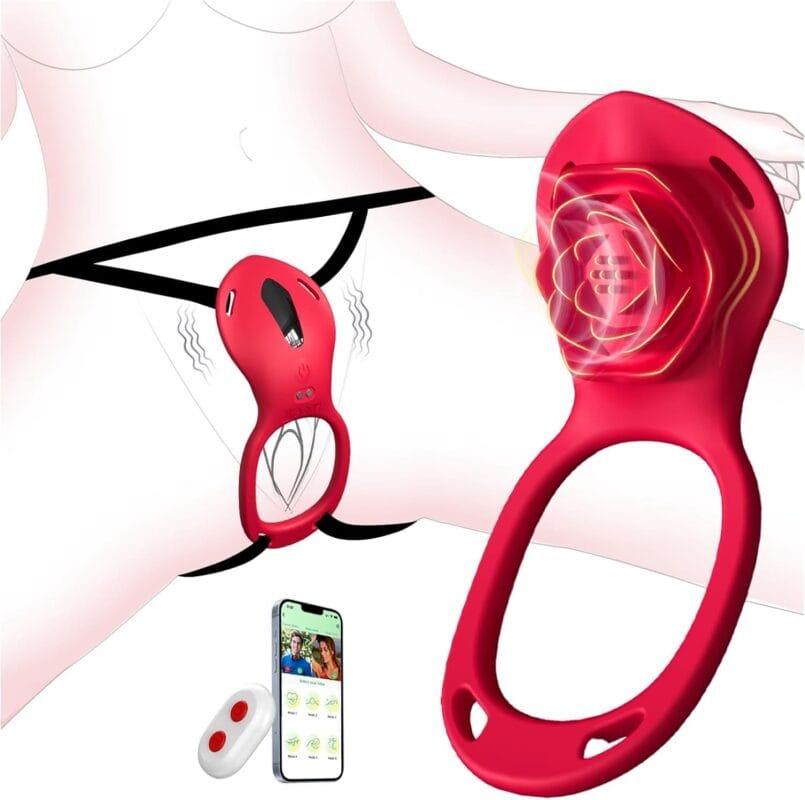
Enhance your intimacy with “How to Use a Vibrator During Sex: Best Positions and Tips for Couples.” Discover expert sex toy advice and vibrator usage tips to boost pleasure and connection. Perfect positions and communication ensure a fulfilling experience, making sex enjoyable and pressure-free.
Using a vibrator during partnered sex is a practical way for adults to add focused stimulation, communicate more clearly about pleasure, and make intimacy feel more playful rather than performance-driven. The best results usually come from choosing a body-safe toy, starting slowly, using lubricant, and picking positions that leave room for the vibrator and both partners’ hands. This guide offers sex toy advice, intimate tips, and vibrator usage tips for couples who want pleasure to feel comfortable, mutual, and easy to talk about.
How do you use a vibrator during sex without making it awkward?
The easiest way to use a vibrator during sex is to introduce it as a shared pleasure tool, not as a replacement for a partner. Talk about it before the moment gets intense, agree on what sounds exciting, and keep the first try simple: low speed, plenty of lube, and a position where the person using the vibrator can control pressure and placement. If it feels clumsy at first, that is normal; most couples need a little experimentation before a toy feels natural.
A vibrator can be used during kissing, touching, oral sex, penetrative sex, or any form of partnered intimacy where both adults consent. It can stimulate the clitoris, vulva, penis, perineum, nipples, inner thighs, or other external erogenous zones. Some vibrators are designed for internal use, but not every toy is safe for every type of play, so the shape, material, and instructions matter.
The biggest shift is mental. Instead of treating the toy like a “big reveal,” frame it as one more way to explore. You might say, “I’d love to try adding this tonight,” or “Would it be fun if we used a vibrator together?” That keeps the tone collaborative and removes pressure from either partner to perform perfectly.
A simple first-time approach looks like this:
- Choose the toy before sex begins. Make sure it is charged, clean, and easy to reach.
- Talk about boundaries. Decide where the toy can be used, what is off-limits, and who controls the settings.
- Start externally. External stimulation is often easier to adjust than internal use.
- Use the lowest setting first. You can always increase intensity, but overstimulation can happen quickly.
- Check in briefly. Short questions like “More pressure?” or “Slower?” keep the moment connected.
- Pause if needed. Repositioning, laughing, or changing your mind is part of real intimacy.
This is the foundation of good sex toy tips: consent, comfort, curiosity, and a willingness to adapt.
Why vibrators can improve partnered pleasure
Vibrators can help couples close the gap between what feels good in theory and what the body actually responds to in the moment. Many people need steady, focused stimulation to reach orgasm, and hands, mouths, or penetration alone may not always provide the right rhythm or pressure. A vibrator offers consistency, which can make pleasure easier to access without turning sex into a goal-oriented task.
For many women and people with vulvas, clitoral stimulation is central to pleasure. A vibrator can make that stimulation more reliable during partnered sex, especially in positions where hands cannot easily reach. This is why sex tips for women pleasure with vibrator often focus on positioning: the right angle can turn a toy from “in the way” into the thing that makes the whole experience click.
Vibrator benefits are not only physical. Bringing a toy into sex can encourage clearer communication, reduce pressure on one partner to “make” the other orgasm, and give couples a shared language for pleasure. When the toy is treated as a teammate, not a competitor, it can make intimacy feel more generous.
Pleasure becomes more customizable
A vibrator offers settings, patterns, shapes, and pressure levels that can be adjusted in real time. That matters because arousal changes. What feels perfect at the beginning may feel too intense later, and what felt too much yesterday may feel ideal tonight.
Customizable pleasure also helps partners learn each other’s preferences. One person may like broad, indirect vibration through underwear or against the pubic mound. Another may prefer precise stimulation near, but not directly on, the clitoris. Someone else may enjoy vibration along the shaft, frenulum, perineum, or outer labia. There is no universal “correct” technique, only feedback and adjustment.
The toy can reduce performance pressure
A common fear is that using a vibrator means a partner is not “enough.” In reality, sex toys are tools, not judgments. Couples use pillows, lube, condoms, music, lighting, and different positions to make sex more comfortable and pleasurable; a vibrator fits into that same category.
This mindset is especially helpful when orgasm has become a source of pressure. If one partner worries about taking too long, or the other worries about doing everything perfectly, a vibrator can soften that tension. It gives the couple another option, which often makes the entire experience feel less rushed.
Intimacy can become more communicative
Good vibrator techniques depend on communication. That does not mean stopping every few seconds for a formal discussion. It can be as simple as guiding a hand, changing the angle, saying “hold it there,” or using agreed-upon signals when words feel distracting.
These small exchanges build sexual confidence. Over time, couples often become better at asking for what they want because the toy creates a natural reason to talk about pressure, rhythm, speed, and sensation.
Choosing the right vibrator for partnered sex
The best vibrator for sex with a partner is usually the one that is comfortable to hold, easy to position, body-safe, and suited to the kind of stimulation you want. A powerful toy is not automatically better; during partnered sex, size, shape, noise level, and maneuverability can matter even more than intensity. The goal is to choose a vibrator that fits into intimacy rather than constantly interrupting it.
A good vibrator guide starts with body-safe materials. Look for nonporous materials such as medical-grade silicone, stainless steel, or glass from reputable brands. Avoid toys with vague material descriptions, strong chemical smells, or surfaces that feel sticky, oily, or difficult to clean. If a toy is used internally, choose one designed for that purpose.
Small external vibrators
Bullet vibrators, palm vibrators, and compact clitoral stimulators are often the easiest toys to use during partnered sex. They fit between bodies more easily than larger toys and can be controlled by either partner. They are useful in face-to-face positions, spooning, receiving oral sex, or any position where space is limited.
The main advantage is precision. A small toy can be placed exactly where stimulation feels best. The possible downside is that very pinpoint vibration may become intense quickly, so starting over underwear or using a lighter touch can help.
Wand-style vibrators
Wand vibrators are known for broad, strong stimulation. They can be excellent for external pleasure, especially for people who prefer deeper, rumbly vibration instead of pinpoint buzzing. During partnered sex, they work best in positions with more room, such as lying side by side, partner-on-top variations, or solo stimulation while a partner touches or kisses elsewhere.
Because many wands are larger, they may be harder to fit between bodies during close penetration. A compact wand can solve some of that problem. Another option is using the wand during foreplay or after penetration rather than trying to keep it in place the entire time.
Wearable and couples vibrators
Wearable vibrators are designed to stay in place during movement, though comfort varies by body and position. Some are worn externally, some sit partly internally, and some are controlled by an app or remote. They can be fun for couples who want hands-free stimulation, but they may take more setup and adjustment than a simple handheld toy.
If using app-controlled toys, discuss privacy and control clearly. The person wearing the toy should be able to stop or change the stimulation at any time. Remote control can be playful, but consent needs to stay active and reversible.
Rabbit vibrators
Rabbit vibrators are designed to provide internal and external stimulation at the same time, usually through a shaft and an external arm. Tips on using a rabbit vibrator during sex depend on the position and the toy’s shape. Some rabbit vibrators are easier to use solo or during non-penetrative partnered play, while others can be incorporated with a partner’s hands, mouth, or body contact.
During penetrative sex with another person, a traditional rabbit may not always fit comfortably because it already occupies internal space. Instead, couples may use it before penetration, after penetration, during oral sex, or in positions where the partner focuses on kissing, touching, or holding. If a rabbit vibrator feels awkward during intercourse, that does not mean you are doing anything wrong; it may simply be better suited to a different part of the encounter.
Safety, consent, and comfort come first
Sexual wellness starts with the basics: every person involved should feel safe, respected, and free to stop. A vibrator should never be introduced as a surprise against someone’s body, used to pressure a partner into a specific act, or treated as proof that sex must lead to orgasm. The best intimate tips are often the least flashy: ask first, listen closely, and adjust when something does not feel good.
Cleanliness matters too. Wash toys before and after use according to the manufacturer’s directions. If sharing a toy between partners or switching between body areas, use a fresh condom on the toy or clean it thoroughly before continuing. This is especially important when moving from anal contact to vaginal or vulvar contact, because bacteria can transfer easily.
Lubricant can make vibrator use more comfortable. Water-based lube is compatible with most toys and condoms. Silicone-based lube lasts longer but may not be compatible with silicone toys, so check the toy’s care instructions before combining them. Oil-based products can damage latex condoms and may not be ideal for some toys.
Keep these safety points in mind:
- Use toys as designed. Internal toys should have appropriate shapes for their intended use. Anything used anally should have a flared base.
- Avoid pain and numbness. Strong vibration can become too much. If sensation turns sharp, irritating, or numb, pause or lower the intensity.
- Check the material. Nonporous, body-safe materials are easier to clean and generally better for repeated use.
- Do not use damaged toys. Cracks, exposed charging ports, peeling surfaces, or strange odors are signs to stop using the toy.
- Be careful with cords and charging. Do not use a toy while it is plugged in unless the product is specifically designed for that, and keep water away from non-waterproof devices.
- Respect health concerns. If someone has pelvic pain, recurring irritation, recent surgery, pregnancy-related concerns, or a medical condition affecting sexual activity, a healthcare professional can offer personalized guidance.
Safety does not make sex less spontaneous. It makes pleasure easier to relax into.
The best positions for using a vibrator during sex
The best positions are the ones that give you access, stability, and control. A vibrator works well when there is enough space to place it comfortably and enough communication to adjust it without frustration. Instead of forcing a toy into a position that feels cramped, choose positions that make stimulation easier from the start.
Below are practical options couples can adapt based on bodies, mobility, toy shape, and the type of sex they enjoy.
Face-to-face with one partner on top
This position can work well because the receiving partner may have easy access to hold a small vibrator against the clitoris, vulva, pubic mound, penis, or other external areas. The partner on top can control angle and movement while the person using the toy adjusts intensity. If the toy gets squeezed too tightly between bodies, shifting the hips slightly or slowing the rhythm can create more space.
This is a strong option for couples who want closeness, kissing, and eye contact. It also makes verbal check-ins easier. A small bullet or palm vibrator usually works better here than a large wand.
Missionary with a pillow for angle
Missionary can be vibrator-friendly when the receiving partner’s hips are slightly raised with a pillow. The adjustment can create more room for a hand or compact toy. The receiving partner can hold the vibrator, or the other partner can hold it if both people communicate clearly about pressure.
A helpful variation is to keep movement slower and shallower while the vibrator provides consistent stimulation. This prevents the toy from slipping and makes it easier to maintain a steady sensation. If direct stimulation feels too intense, try placing the toy above the clitoris, over underwear, or against the outer labia instead.
Spooning or side-lying sex
Spooning is one of the easiest positions for vibrator use because it leaves the front of the body accessible. Both partners lie on their sides, which can make the experience feel relaxed and less physically demanding. The receiving partner can control the toy, or the partner behind can reach around if that feels comfortable.
This position works well with compact external vibrators and some wearable toys. It is also useful for couples who prefer slower rhythm, more body contact, or a position that does not require much upper-body strength. Because movement tends to be gentler, it can be easier to keep the toy in place.
Partner behind with external stimulation
Rear-entry positions can leave space for a vibrator held by the receiving partner. The key is stability. Hands may already be supporting the body, so pillows, a firm surface, or a slower pace can make toy use more comfortable.
This position may allow strong external stimulation while preserving a sense of intensity and movement. However, it can also become overstimulating if penetration and vibration are both deep or fast. Start slowly, then adjust one sensation at a time.
Sitting or straddling positions
Sitting positions can be intimate and practical because both partners can stay close while one person controls the toy. One partner may sit upright on a chair, bed, or supportive surface while the other straddles them. Depending on body position, a small vibrator can be placed between bodies or held to the side.
The advantage is control. The straddling partner can manage angle, pressure, and rhythm, while the seated partner can use hands for support, touch, or holding the toy. If balance is difficult, leaning back against pillows or a headboard can help.
Oral sex with a vibrator
A vibrator can pair well with oral sex because each sensation can complement the other. One partner may use the vibrator externally while the other uses their mouth on nearby areas, or the giving partner may hold the toy while checking in about pressure. The toy does not need to be placed directly where the mouth is; indirect stimulation can feel better and avoid crowding.
Hygiene is important here. Clean the toy before use, avoid switching between body areas without cleaning, and do not use toys in ways that make breathing or comfort difficult. The receiving partner should feel free to guide placement or ask for a change.
Solo control during partnered sex
Sometimes the simplest position is not about the bodies; it is about who controls the vibrator. Many people prefer holding the toy themselves during partnered sex because they can make tiny adjustments quickly. That does not make the experience less shared. A partner can still kiss, touch, hold, move, talk, or simply enjoy watching their partner experience pleasure.
Solo control can be especially useful for people who know exactly what pressure they need, feel shy about giving constant instructions, or become overstimulated easily. It also reduces accidental pressure that can happen when a partner is guessing.
Vibrator techniques that feel natural with a partner
Good vibrator techniques are usually subtle. You do not need complicated patterns or constant setting changes. In many cases, the best approach is steady pressure, gradual buildup, and small changes based on the body’s response.
Start with the vibrator near the area you want to stimulate, not necessarily directly on it. Indirect contact can help arousal build without overwhelming sensitive tissue. As sensation increases, you can move closer, add pressure, change angles, or increase speed.
Use indirect stimulation first
Direct vibration can feel amazing for some people and too intense for others. Indirect stimulation gives the body time to warm up. Try placing the toy over underwear, through a hand, against the pubic mound, along the outer labia, or near the clitoris rather than directly on it.
For penis-focused play, indirect vibration along the shaft, perineum, or base may feel more comfortable than intense stimulation on the most sensitive areas right away. The same principle applies to nipples, inner thighs, and other erogenous zones. Build sensation instead of rushing it.
Match the rhythm instead of competing with it
During partnered sex, vibration and body movement can either complement each other or compete. If thrusting, grinding, or rubbing is fast, a high vibrator setting may become too much. If body movement is slow and steady, the vibrator can provide the consistent sensation that keeps arousal building.
Think of the toy as part of the rhythm. You might keep the vibrator still while hips move, or keep the body still while the toy moves in small circles. Changing only one thing at a time helps both partners understand what is working.
Try pressure changes before speed changes
Many people immediately increase speed when they want more sensation, but pressure and placement can matter just as much. A low setting with firmer pressure may feel better than a high setting barely touching the skin. A slight angle change can also transform the sensation.
Before cycling through every pattern, try these adjustments:
- Move the toy slightly higher, lower, left, or right.
- Tilt the head or tip instead of pressing it flat.
- Add more lube to reduce friction.
- Press through fabric or a hand for softer sensation.
- Hold the toy still for consistency.
- Use short pauses to prevent overstimulation.
This kind of sex toy advice helps couples stay connected instead of getting distracted by buttons and settings.
Let the toy support arousal, not control the whole encounter
A vibrator can be the main source of stimulation, but it does not have to dominate the experience. Partners can use it during warm-up, remove it during kissing or penetration, bring it back near orgasm, or use it afterward. There is no rule that it must stay on the entire time.
Some couples enjoy making the vibrator a central feature. Others prefer it as a supportive tool that appears briefly when needed. Both approaches are valid. The best choice is the one that keeps both partners comfortable and engaged.
Communication makes vibrator use more intimate
Talking about a vibrator during sex can feel vulnerable, but it often leads to better connection. Clear communication helps partners avoid guessing, reduces insecurity, and makes pleasure feel like a shared project. The goal is not to deliver a technical review in bed; it is to give enough feedback that both people can relax.
It helps to separate the conversation into two parts: before sex and during sex. Before sex, you can discuss curiosity, boundaries, and what toy you might try. During sex, keep language short and encouraging.
Useful phrases before sex include:
- “I’ve been curious about using a vibrator together. Would you be open to that?”
- “I like the idea of trying it, but I want to go slowly.”
- “Can I control it the first time so I can figure out what feels good?”
- “If either of us feels awkward, can we just laugh and adjust?”
- “I don’t want this to feel like pressure. I just think it could be fun.”
Useful phrases during sex include:
- “A little softer.”
- “Keep it there.”
- “Lower setting.”
- “More to the side.”
- “Pause for a second.”
- “That feels good.”
Encouragement matters. If a partner is holding the toy, tell them when something feels right. Positive feedback gives direction without criticism. If something does not feel good, frame the correction around your body’s preference rather than their failure: “My body wants lighter pressure,” is easier to hear than “You’re doing it wrong.”
How can couples avoid jealousy or insecurity around sex toys?
Couples can avoid insecurity by talking about the vibrator as an addition to intimacy, not a substitute for attraction, skill, or desire. A toy does not replace warmth, chemistry, emotional safety, kissing, touch, humor, or the feeling of being wanted. It simply provides a kind of stimulation that many bodies enjoy.
If a partner feels threatened, dismissing that feeling rarely helps. Instead, acknowledge it and explain what the toy means to you. You might say, “I want to use this with you, not instead of you,” or “This helps my body respond, but I still want your touch.” That reassurance can make room for curiosity.
It is also helpful to let the hesitant partner have a role, if they want one. They might hold the toy, choose a setting with guidance, kiss while the toy is used, or watch their partner control it. Some people feel more included once they understand that the vibrator is part of shared play.
At the same time, no one has to use a sex toy if they truly do not want to. Consent applies to both partners. If one person is curious and the other is uncomfortable, the couple can keep talking, try a less intimidating option, or set the idea aside and revisit it later.
Tips for using a rabbit vibrator with a partner
Rabbit vibrators can be intensely pleasurable, but they are not always the easiest toy to fit into partnered sex. Their dual-stimulation design means they already have a specific job: internal stimulation plus external vibration. That can be wonderful, but it may also require more space, slower movement, and clearer communication.
If you are exploring tips on using a rabbit vibrator during sex, think beyond intercourse. A rabbit can be used while a partner kisses, touches, gives oral stimulation to other areas, holds you, or talks you through the experience. It can also be used before penetration to build arousal or after penetration as a way to continue pleasure.
Practical rabbit vibrator tips include:
- Test it alone first. Learn the angle, speed, and pressure that feel good before adding a partner.
- Use plenty of lube. Dual stimulation can create more friction than expected.
- Go slow with insertion. Let the body relax and adjust before turning on strong vibration.
- Check the external arm placement. It may need small adjustments to reach the right spot.
- Avoid forcing the fit. Bodies and toys vary. If the shape does not align comfortably, choose another toy or use it differently.
- Let the partner participate around the toy. Kissing, breast or chest touch, eye contact, dirty talk if mutually desired, and full-body contact can make the experience feel shared.
- Do not assume it must be used with penetration from a partner. Many rabbit vibrators are best used as the primary toy while the partner provides other forms of intimacy.
The most useful mindset is flexibility. If the rabbit vibrator feels awkward in one scenario, it may be excellent in another.
Building a relaxed first-time experience
The first time using a vibrator together should be simple enough that both partners can enjoy the experiment. You do not need the perfect position, the strongest setting, or a scripted plan. In fact, too many expectations can make the experience feel less sensual.
Set up the environment so the toy is easy to use. Charge it, wash it, place lubricant nearby, and keep a towel or tissues within reach. If the toy has multiple buttons, learn them before sex begins. Nothing kills momentum faster than trying to decode controls while aroused.
A gentle first-time plan might look like this:
- Start with kissing or touch without the toy.
- Bring the vibrator in externally, on the lowest setting.
- Let the person receiving stimulation guide the placement.
- Use one position where access is easy, such as side-lying or partner-on-top.
- Keep communication short and kind.
- Stop before anyone feels irritated, numb, or overwhelmed.
- Afterward, talk briefly about what felt good and what you might change next time.
This approach turns the first try into information gathering, not a pass-fail test. Even if orgasm does not happen, the couple still learns what settings, angles, and positions feel promising.
Common mistakes and how to fix them
Most vibrator challenges are easy to solve with small adjustments. If something feels awkward, it usually means the toy, position, speed, or communication style needs tweaking. It does not mean you are bad at sex or incompatible with toys.
Starting too intense
High settings can be exciting, but they can also overwhelm sensitive tissue. If the body tenses, pulls away, or becomes numb, lower the intensity. Try using the toy over fabric or near the sensitive area rather than directly on it.
Choosing a toy that is too large for the position
A large wand or rabbit vibrator may be excellent on its own but awkward between two bodies. If a position feels crowded, switch to a smaller external vibrator or use the larger toy during foreplay. The right toy for solo pleasure is not always the right toy for every partnered position.
Treating orgasm as the only goal
A vibrator may increase the chance of orgasm for some people, but pleasure should not become a deadline. If both partners focus only on finishing, they may miss the sensations, closeness, and exploration that make sex satisfying. Let the toy support pleasure without turning it into a timer.
Letting one partner guess silently
Guessing can work for a moment, but it is rarely the best long-term strategy. If the person holding the toy is unsure, they should ask. If the person receiving stimulation wants something different, they should guide. Good feedback can be sexy when it is relaxed and specific.
Forgetting aftercare and cleanup
After sex, clean the toy according to its instructions and store it somewhere dry and safe. If emotions came up, talk gently. A simple “I liked trying that with you” or “Next time I want softer pressure” helps turn the experience into a shared learning process.
Pleasure tips for different comfort levels
Not every couple wants the same level of toy involvement. Some want a subtle addition, while others want the vibrator to be central. Matching the experience to your comfort level makes the whole process easier.
If you are shy or new to toys
Start with external stimulation during foreplay. Keep the toy in your own hand if that feels safer. You can also use it over clothing or under a blanket to reduce self-consciousness. The goal is to become familiar with sensation before adding complexity.
If one partner is more experienced
Let the less experienced partner set the pace. The more experienced partner can offer suggestions, but should avoid taking over unless invited. Confidence is helpful; pressure is not. A patient approach makes future experimentation more likely.
If you want stronger stimulation
Use lube, choose a rumbly toy, and try positions with stable body contact. Stronger does not always mean faster. Firm, steady pressure at a moderate speed may feel more satisfying than the highest setting.
If you get overstimulated easily
Use indirect contact, lower settings, and short bursts. Take breaks before sensation becomes uncomfortable. You can also alternate between vibration and hands or mouth so the body has time to reset.
If penetration is uncomfortable
A vibrator can be used without penetration. External pleasure, mutual masturbation, kissing, massage, oral sex, and sensual touch can all be complete forms of intimacy. If discomfort is persistent or distressing, consider speaking with a qualified healthcare professional.
A couple’s checklist for better vibrator play
Use this checklist before experimenting, especially if it is your first time using a vibrator together.
- Consent is clear. Both partners want to try the toy and can stop at any time.
- The toy is clean and charged. No scrambling for batteries, cords, or soap mid-moment.
- Lube is nearby. Comfort improves when friction is managed.
- The first position is simple. Choose access over acrobatics.
- The receiver can guide. The person feeling the vibration should have control or clear input.
- The settings start low. Build intensity gradually.
- No one takes feedback personally. Adjustments are normal, not criticism.
- Cleanup is planned. Wash, dry, and store the toy properly after use.
- The emotional tone is kind. Curiosity, humor, and patience matter as much as technique.
This checklist may sound basic, but basics are what make exploration feel safe enough to enjoy.
Making vibrator use part of a healthy sexual wellness routine
Vibrators can be part of sexual wellness when they support body awareness, communication, and pleasure without shame. Using one does not mean the body is difficult, a partner is inadequate, or sex has become mechanical. It means you are paying attention to what helps pleasure happen.
For couples, the real benefit may be the conversations that come with the toy. You learn how direct or indirect stimulation feels, how much pressure is enjoyable, which positions create access, and how to talk about desire without embarrassment. Those skills carry into sex even when the vibrator stays in the drawer.
If you searched for “How to Use a Vibrator During Sex: Best Positions and Tips for Couples,” the most important answer is this: start with consent, choose a toy that fits the moment, keep stimulation adjustable, and make the experience collaborative. The best vibrator usage tips are not about doing everything perfectly. They are about creating enough trust, comfort, and curiosity for pleasure to unfold naturally.
Used thoughtfully, a vibrator can help couples slow down, pay closer attention, and discover new forms of intimacy. Keep the focus on mutual enjoyment, not performance. When both partners feel included, respected, and free to communicate, the toy becomes what it should be: a simple, useful tool for shared pleasure.
Related products
- Wearable Panty Vibrator Couples Adult Sex Toys Clitoral Stimulator — $34.00
- IOBANANA Rock cat paw series Vibrator sex toy — $54.99
- AAV Tongue Licking Sucking Massager Vibrator Perfect Couple Sex Toy — $44.90