
Buying Guides
Body-Safe Sex Toy Materials What to Avoid and Why
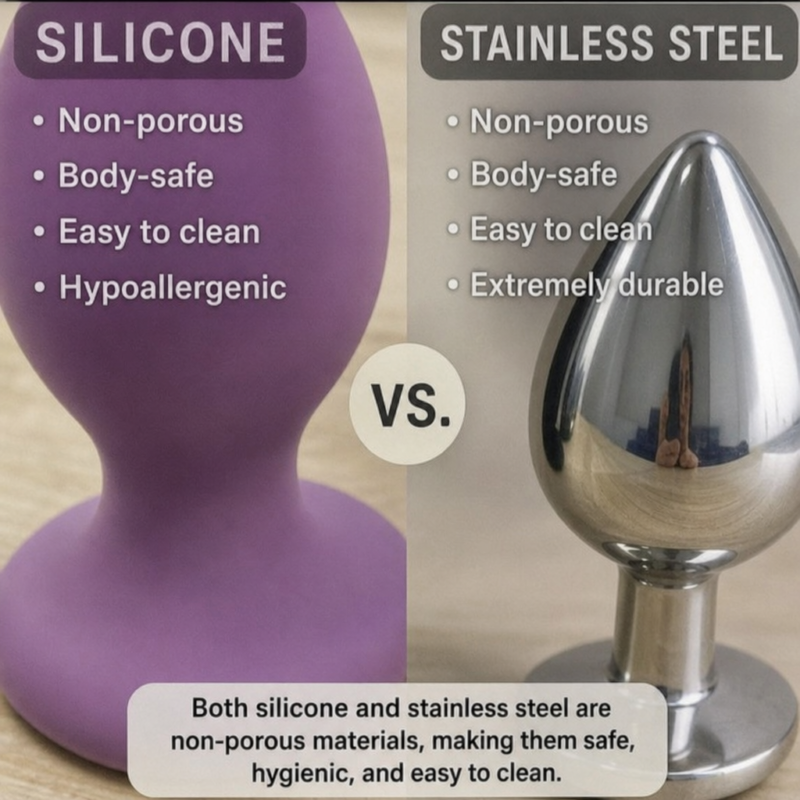
Body-safe sex toy materials are non-toxic, non-porous, durable, and appropriate for intimate contact when used and cleaned as directed. The safest choices for most people are 100% silicone, borosilicate glass, stainless steel, aluminum from reputable makers, and hard ABS plastic, while materials like jelly rubber, PVC/vinyl, mystery blends, and porous “real-feel” elastomers deserve extra caution. This body safe sex toy materials guide explains what to choose, what to avoid, and how to read product descriptions so you can buy safe sex toys with more confidence.
What makes a sex toy material body-safe?
A body-safe sex toy material is one that is suitable for direct contact with sensitive tissue, does not easily absorb fluids, can be cleaned effectively, and is not made with questionable additives that may migrate out of the product over time. For insertable toys, Planned Parenthood recommends body-safe, non-porous materials such as 100% silicone, hard plastic, stainless steel, aluminum, and break-resistant glass because non-porous surfaces do not absorb germs as readily and are easier to keep clean.
“Body-safe” is not just a pleasant marketing phrase. In practice, it means asking four questions before a toy touches the body: What is it made from? Is the surface porous or non-porous? Can it be cleaned according to the manufacturer’s directions? Is the brand transparent enough to tell you the actual material, not just a vague phrase like “premium feel” or “skin-like blend”?
This matters because sex toys often contact mucous membranes, which can be more sensitive than ordinary skin. A material that seems fine in your hand may behave differently when exposed to body heat, friction, lubricant, moisture, and repeated cleaning. The right material can make a toy easier to sanitize, easier to store, and more comfortable for people looking for hypoallergenic materials.
The safest materials are non-porous and clearly labeled
The best body safe sex toy materials 2025 2026 shoppers should look for are not mysterious or trendy. They are established materials with clear names, stable surfaces, and realistic cleaning instructions. A toy does not need to be expensive to be safer, but it should be specific about what it is made from.
100% silicone
Medical-grade silicone and high-quality platinum-cured silicone are popular for good reason. Silicone sex toys can be soft, flexible, firm, smooth, or textured, yet the material itself can be non-porous when it is truly 100% silicone and properly manufactured. This makes it a strong choice for insertable toys, external vibrators, plugs, dilators, and strokers where hygiene and comfort matter.
The key phrase is 100% silicone. “Silicone blend,” “silicone feel,” “silky silicone,” or “silicone-like” may mean the toy contains other materials. Those blends may be porous, may degrade more quickly, or may not have the same cleaning advantages as true silicone. If the product page avoids naming the material clearly, treat that as a red flag.
Silicone is also often a good option for people seeking hypoallergenic materials, though no material is perfect for every body. If you have a known sensitivity, choose unscented cleaners, patch-test external contact first when appropriate, and stop using any toy that causes burning, itching, swelling, or irritation. For recurring reactions, ask a qualified healthcare professional rather than guessing at the cause.
One important care note: avoid silicone-based lubricant with silicone toys unless the manufacturer says it is compatible. Many shoppers use water-based lubricant with silicone toys because it is broadly compatible and easy to wash away. If you want to use silicone lube, test it on a small, non-contact area first and follow the toy maker’s guidance.
Borosilicate glass
Borosilicate glass is hard, smooth, non-porous, and excellent for people who want firmness, temperature play, or very low drag with lubricant. It is often called “body-safe glass” in product listings, but the important qualities are that it is designed for intimate use, resistant to breakage under normal use, and finished without seams, chips, cracks, or sharp edges.
Glass toys should be inspected before every use. If a glass toy has been dropped on a hard floor or shows any visible flaw, do not use it internally. Unlike soft materials, glass will not flex with the body, so size, shape, and careful control matter.
For many users, glass is appealing because it does not hold odors, does not absorb lubricant, and can feel exceptionally smooth. It can also be warmed or cooled safely with water when the manufacturer permits it. Avoid sudden extreme temperature changes, and never heat a glass toy in a microwave or oven.
Stainless steel
Stainless steel is one of the most durable safe sex toy materials when produced by a reputable maker. It is non-porous, weighty, smooth, and compatible with most lubricants. Many people like steel for its pressure, temperature responsiveness, and long lifespan.
Look for body-safe stainless steel from brands that identify the grade or otherwise explain that the toy is intended for intimate use. People with nickel sensitivity should be cautious with metal products, especially low-quality or mystery metals. If you know you react to jewelry, belt buckles, or watch backs, choose a manufacturer that provides material details or consider glass or silicone instead.
Steel toys should be seamless or smoothly finished, with no rough joins, flaking coatings, or plated surfaces that can wear down. A solid stainless steel toy can be a long-term purchase, but weight and shape matter. Choose manageable sizes, especially for anal toys, pelvic floor tools, or any product used with limited mobility.
Aluminum from reputable makers
Aluminum can be body-safe when it is properly finished and designed for intimate contact. It is lighter than steel, which can make it easier to handle while still offering a firm, non-porous surface. The concern is not aluminum itself so much as poor coatings, questionable finishes, or unknown alloys.
Choose aluminum toys only from reputable brands that disclose the material and explain care instructions. Avoid chipped, scratched, peeling, or painted surfaces. If the toy relies on a coating to be safe and that coating begins to wear, it is time to stop using it.
ABS hard plastic
ABS plastic is a rigid, non-porous material commonly used in vibrator handles, bullet vibrators, external stimulators, and some insertable products. It is usually less luxurious than silicone, glass, or steel, but it can be a practical choice when the product is well made.
Hard plastic should feel smooth, solid, and odor-free. It should not be sticky, tacky, oily, or rubbery. Because ABS is rigid, check for seams around battery caps, buttons, and charging ports; these areas can trap residue even when the main surface is non-porous.
Ceramic and sealed specialty materials
Some ceramic, stone, and coated specialty toys can be body-safe, but they require more scrutiny. The body-safe quality depends on the glaze, sealant, finish, and durability, not simply the base material. A beautifully made ceramic toy from a specialist brand may be safe, while a decorative object that was never designed for intimate use is not.
If a product is handmade or made from a less common material, look for clear care instructions, smooth finishing, and transparent maker information. Avoid porous clay, unsealed stone, unknown coatings, and anything with decorative paint or metallic finishes that could chip.
Materials to avoid for insertable use
Some sex toy materials are best avoided for internal use because they are porous, poorly disclosed, difficult to clean, or commonly softened with additives. That does not mean every exposure will cause harm, but it does mean the material gives you less control over hygiene and long-term safety. When safer alternatives exist, choosing non-porous, clearly labeled materials is the smarter default.
Jelly rubber
Jelly rubber is one of the most common materials people are told to avoid in body safe sex toy materials guides. It is usually soft, brightly colored, inexpensive, and sometimes strongly scented. The problem is that “jelly” is not a precise safety standard; it often refers to a soft, porous plastic or rubber-like material that may include plasticizers.
Jelly toys may feel appealing at first because they are squishy and flexible. Over time, though, they can become sticky, oily, cloudy, or smelly. Those changes suggest the material is unstable or degrading, which is not what you want from a product used on sensitive tissue.
If you already own a jelly toy, do not share it, cover it with a condom if you choose to use it, and replace it with a non-porous option when you can. For anal or vaginal insertion, 100% silicone gives a similar soft feel with better cleanability.
PVC and vinyl
PVC, also called vinyl, can be made soft with plasticizers. The FDA describes phthalates as chemicals used in plastic products, most commonly PVC or vinyl, to make material softer and less brittle. That does not automatically prove every PVC sex toy contains a prohibited or harmful ingredient, but it does explain why soft vinyl products raise questions for intimate use.
The challenge for consumers is transparency. If a toy simply says “PVC,” “vinyl,” “jelly,” or “soft plastic” without detailed testing information, you may not know what plasticizers or additives are present. A product can look smooth and still be porous or chemically unstable.
For body safe non-toxic shopping, it is usually easier to avoid soft PVC/vinyl altogether for insertable toys. Choose silicone, glass, stainless steel, or ABS hard plastic instead.
TPE and TPR
TPE and TPR are elastomers used to make soft, stretchy, realistic-feeling products. You may see them described as “skin-safe,” “real feel,” “lifelike,” “cyberskin,” “soft touch,” or “body-friendly.” Some manufacturers use these materials responsibly for external products, but they are generally porous and harder to clean thoroughly than non-porous materials.
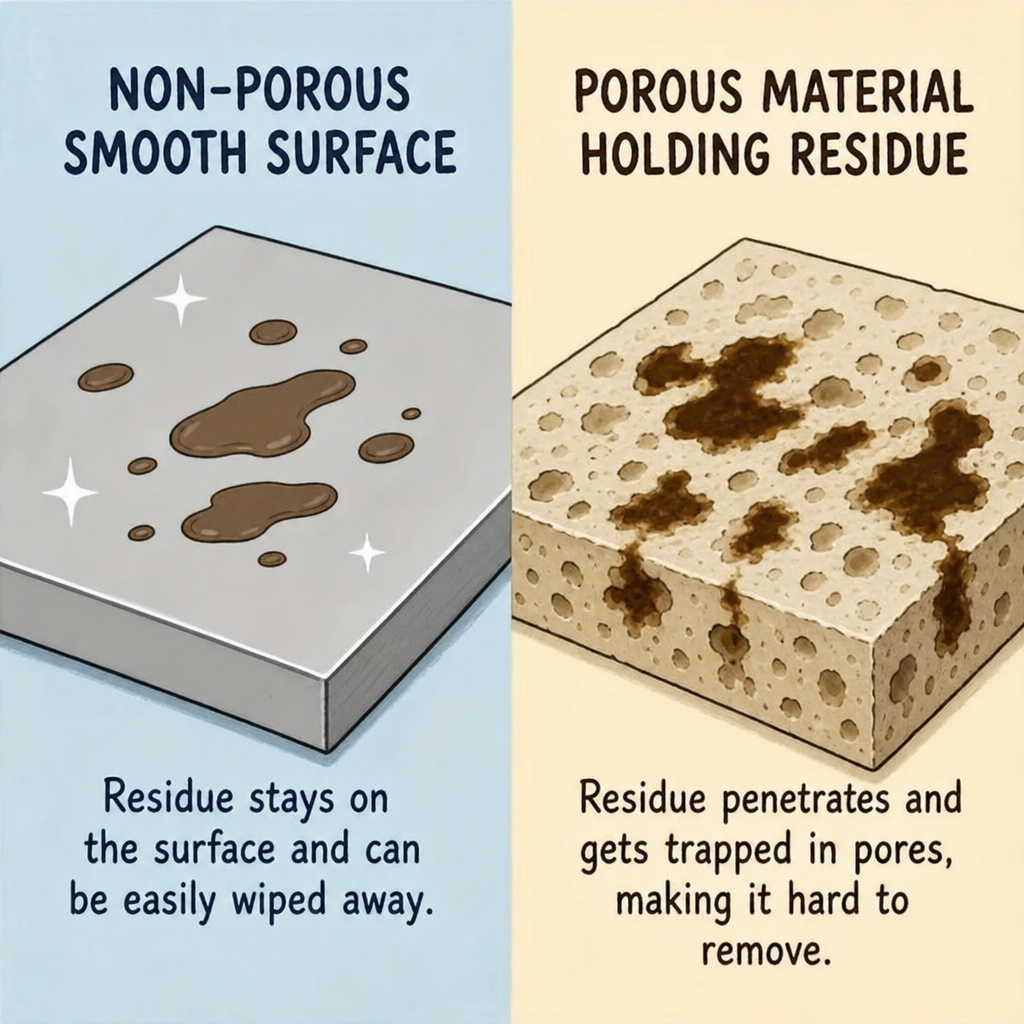
The practical issue is hygiene. Porous materials can absorb moisture, lubricant, and body fluids. Even careful washing may not fully remove what has entered microscopic pores, which is why these materials are not ideal for sharing or long-term internal use.
If you use a TPE or TPR toy, consider it personal-use only, wash it promptly, dry it completely, store it separately, and replace it at the first sign of odor, stickiness, tearing, discoloration, or texture change. For safer long-term use, choose silicone if you want softness or glass/steel if you want firmness.
Latex and rubber blends
Latex can cause allergic reactions in people with latex sensitivity, and rubber blends may contain unknown additives. Even when latex is acceptable for condoms, that does not mean a thick reusable toy made from rubber is ideal for repeated intimate use. Condoms are single-use barriers with regulated labeling; reusable toys have different cleaning and durability demands.
If you are latex-sensitive, avoid latex toys, latex harness components that touch skin, and rubber accessories with unclear labeling. If a product smells strongly of rubber or chemicals, leaves residue, or makes your skin itch, do not keep using it.
“Mystery” materials and vague marketing terms
Some of the riskiest products are not labeled with an obvious bad material. They are labeled with terms like “premium blend,” “body-friendly gel,” “silicone-like,” “silky soft,” “realistic material,” or “phthalate-free material” without saying what the material actually is.
“Phthalate-free” can be useful, but it is not the same as non-porous. A toy can be phthalate-free and still be porous, difficult to clean, or made from a blend that degrades quickly. A good product description should name the actual material and provide care instructions that match that material.
Quick comparison of body-safe and high-caution materials
Use this table as a practical shopping shortcut. It is not a substitute for reading the manufacturer’s instructions, but it helps you sort safe sex toys from products that need more caution.
| Material | Usually body-safe for insertable use? | Porosity | Best use case | Watch-outs |
|---|---|---|---|---|
| 100% silicone | Yes | Non-porous when genuine | Vibrators, dildos, plugs, dilators | Avoid vague “silicone blend” claims |
| Borosilicate glass | Yes | Non-porous | Firm pressure, temperature play | Inspect for chips or cracks |
| Stainless steel | Yes | Non-porous | Weight, pressure, long-term durability | Nickel sensitivity; avoid mystery metals |
| ABS hard plastic | Often yes | Non-porous | Bullets, handles, external toys | Seams and battery compartments need cleaning |
| Aluminum | Often yes from reputable brands | Non-porous if properly finished | Lightweight firm toys | Avoid chipped coatings or unclear finishes |
| Ceramic/sealed specialty materials | Sometimes | Depends on finish | Artisan toys | Requires strong maker transparency |
| TPE/TPR | Use caution | Porous | Personal external use or short-term use | Harder to clean; replace often |
| Jelly rubber | Avoid for internal use | Usually porous | Not recommended | Odor, tackiness, unknown additives |
| PVC/vinyl | Avoid soft versions for internal use | Often porous or additive-dependent | Not recommended | Plasticizers, vague labeling |
| Latex/rubber blends | Use caution | Varies | External accessories | Allergy risk, odor, additives |
Why porosity matters more than the label
Porosity matters because it affects cleaning. A non-porous surface gives fluids fewer places to hide, which makes washing more effective. A porous surface can hold residue even when the toy looks clean, especially around texture, seams, suction-cup bases, sleeves, and realistic details.
That is why “safe sex toy materials body safe non-toxic” should not be reduced to one claim on a box. A product can claim to be non-toxic and still be porous. It can claim to be soft and skin-like while being difficult to sanitize. It can claim to be “for novelty use only” while still being designed in a way that people obviously use on the body.
Porosity also affects sharing. If a non-porous toy is cleaned correctly and used with barriers when needed, it is easier to manage hygiene between partners or body areas. A porous toy should not be shared without a condom, and even with a condom it may have a shorter useful life.
For anal use, porosity is only one safety factor. A body-safe anal toy also needs a flared base, handle, or retrieval feature that prevents the toy from being drawn fully inside the body. Material safety does not compensate for unsafe shape.
Regulations, standards, and why shoppers still need to read labels
Sex toy safety sits in a confusing space. ISO 3533:2021 is an international standard that specifies safety and user-information requirements for manufactured products intended for sexual use and direct contact with the genitals or anus. That is helpful, but a standard existing does not mean every product on every marketplace follows it.
In the United States, the FDA regulates medical devices when a product meets the legal definition of a medical device; FDA guidance emphasizes that manufacturers must determine whether a product is a medical device or a radiation-emitting product and meet the relevant requirements before marketing it. Some sexual-health products may be regulated when marketed for therapeutic purposes, while many pleasure products are sold outside that framework. A 2025 Columbia Journal of Law & Social Problems article notes that some sex devices are FDA-regulated when advertised for therapeutic purposes, while similar products not marketed therapeutically may remain outside FDA medical-device oversight.
Phthalate regulation can also be misunderstood. The CPSC has specific phthalate restrictions for children’s toys and child care articles, but that page is about children’s products, not a blanket assurance for adult sex toys. For adult shoppers, the practical takeaway is simple: do not assume that a marketplace listing, “novelty” label, or low price means someone has verified intimate-use safety for you.
This is why the best body safe sex toy materials 2025 2026 shoppers can choose are still the ones with clear material names, transparent brands, and realistic care directions. Regulation can help set expectations, but your strongest day-to-day protection is informed buying.
How to read a sex toy product page like a safety checklist
A good product page should make safety easier, not harder. You should not have to decode vague language to figure out whether a toy is silicone, PVC, TPE, rubber, glass, or steel. If the listing cannot answer basic material questions, it is reasonable to move on.
Before buying, check for:
- A specific material name. Look for 100% silicone, borosilicate glass, stainless steel, ABS plastic, or another clearly named material.
- Non-porous language with care instructions. A claim is stronger when paired with cleaning guidance that makes sense for the material.
- No vague “blend” wording. “Silicone blend” and “real-feel blend” are not the same as 100% silicone.
- A reputable brand or retailer. Transparent companies usually provide material, lubricant, waterproofing, charging, and warranty information.
- Appropriate design for the use. Insertable anal toys need a flared base. Long toys need safe shape and control. Vibrators need sealed charging ports or clear cleaning limits.
- Odor-free, residue-free surfaces. Strong chemical smell, oily film, stickiness, or color transfer before use are warning signs.
- Compatible lubricant instructions. Water-based lubricant is often the safest universal choice, while silicone lubricant should be checked against silicone toys.
- Clear cleaning limits. “Waterproof,” “splashproof,” and “not submersible” are different claims.
Also pay attention to marketplace listings with copied images, strange brand names, inconsistent material claims, or prices that seem unrealistically low for a complex rechargeable toy. Low cost alone does not prove a toy is unsafe, but poor transparency plus low cost is a bad combination.
How can you tell if a toy is really silicone?
You can look for clues, but you cannot prove a toy is 100% silicone at home with perfect certainty. The best answer is to buy from brands and retailers that disclose materials clearly, avoid vague “silicone-like” claims, and support their products with consistent care instructions.
Many people discuss home “flame tests,” but they are not ideal for consumers. Burning a toy can create fumes, damage the product, void returns, and still fail to tell you everything about fillers, pigments, coatings, or manufacturing quality. A safer approach is to evaluate the seller before the product ever arrives.
Signs that support a silicone claim include a matte or silky surface, no strong chemical smell, no oily residue, no sticky film, and packaging that says 100% silicone rather than “silicone blend.” Reputable silicone sex toys also tend to have consistent molding, clean seams, stable color, and clear lubricant guidance.
Signs that undermine a silicone claim include very low pricing for a large soft toy, intense artificial scent, tacky texture, greasy residue, melting or chemical reaction when stored next to other soft toys, or product pages that use several material names interchangeably. If a listing says silicone in one place and TPE or jelly in another, assume the safer claim may not be reliable.
Cleaning and storage keep good materials safer
Even the best body safe sex toy materials need proper care. A non-porous toy can still collect body fluids, lubricant, lint, dust, or microbes on its surface. Cleaning is not a punishment or a mood killer; it is part of keeping a toy comfortable and ready for next time.
Basic cleaning steps
Follow the manufacturer’s instructions first, especially for motorized toys. When instructions are missing or unclear, use a conservative approach.
- Wash before first use. Manufacturing, packaging, and shipping can leave dust or residue.
- Wash after every use. Use warm water and mild, unscented soap unless the manufacturer recommends a specific cleaner.
- Clean seams and texture carefully. A soft toothbrush can help around ridges, buttons, bases, and charging areas when waterproofing allows it.
- Rinse thoroughly. Soap residue can irritate sensitive tissue.
- Dry completely. Moisture trapped in storage encourages odor and residue buildup.
- Store separately. Use a clean pouch, case, or lint-free cloth bag so materials do not react or transfer color.
Non-motorized silicone, glass, and stainless steel toys may have more disinfection options, but not every toy should be boiled, bleached, dishwashed, or submerged. Motors, batteries, glued gems, coatings, charging ports, and mixed materials change the rules. If the toy has electronics, treat waterproof claims carefully.
Storage mistakes to avoid
Good storage prevents damage that can turn a safe material into a questionable one. Do not toss all toys into one drawer uncovered, especially if you own soft materials. Some materials can interact, become tacky, or pick up dyes from each other.
Avoid storing toys while damp, pressed against scented products, touching oily residues, or exposed to heat and sunlight. Keep charging cables, magnetic chargers, and remotes organized so you do not damage ports or seals. If a toy comes with a storage bag, use it; if not, a clean breathable pouch is usually better than direct contact with other toys.
Safer choices for sensitive skin and allergies
People looking for hypoallergenic materials should start with simple, non-porous materials and avoid unnecessary fragrances, dyes, coatings, and mystery blends. 100% silicone, borosilicate glass, and stainless steel are common choices, but personal sensitivities vary. A toy can be made from a generally safe material and still be wrong for your body because of texture, pressure, lubricant, cleaner, or an unrelated infection or irritation.
If you have sensitive skin, simplify everything around the toy. Use a mild, unscented soap for cleaning. Choose a simple water-based lubricant. Avoid warming gels, flavored lubricants for internal use unless designed for it, numbing products, and heavily fragranced cleaners. Introduce one new product at a time so you can identify what caused a reaction.
Latex allergy deserves special attention. Avoid latex toys, rubber blends, and accessories unless the manufacturer confirms they are latex-free. Nickel sensitivity also matters with metal toys; choose reputable stainless steel, ask for material details, or select glass or silicone if you are unsure.
If you experience persistent burning, itching, pain, unusual discharge, bleeding, numbness, or recurring irritation after toy use, stop using the toy and seek medical guidance. Material choice is important, but symptoms can have many causes.
Eco-friendly toys and safer materials can overlap
Eco-friendly toys are appealing because they promise less waste, better materials, and more responsible manufacturing. Still, “eco-friendly” does not automatically mean body-safe. A recycled, biodegradable, plant-based, or “natural” material may still be porous, poorly sealed, or inappropriate for internal use.
The most sustainable sex toy is often one you can use safely for a long time. Durable non-porous materials such as stainless steel, glass, and high-quality silicone may reduce replacement frequency compared with cheap porous toys that degrade quickly. Rechargeable batteries can reduce disposable battery use, but only if the toy is built well enough to last.
When comparing eco-friendly toys, consider the full picture:
- Material longevity: Will the toy remain smooth, stable, and cleanable over time?
- Repair and warranty support: Does the brand stand behind the product?
- Rechargeability: Is the battery practical, and does the toy hold a charge reliably?
- Packaging: Is packaging minimal, recyclable, or plastic-heavy?
- End-of-life options: Does the brand offer recycling or disposal guidance?
- Body safety first: Is the toy still non-porous and appropriate for intimate contact?
Do not choose bamboo, wood, stone, ceramic, or “natural rubber” simply because it sounds greener. For intimate use, the surface finish and seal matter. A natural material with a porous or cracking surface is not better than a durable, non-porous material that can be cleaned properly.
Different toy types need different safety checks
Material is the foundation, but shape and function matter too. A safe material in an unsafe shape is still a problem. Before buying, match the toy to how it will be used.
Vibrators
For vibrators, check both the body-contact material and the electronic design. A silicone-coated vibrator may still have plastic seams, metal charging contacts, or buttons that need careful cleaning. Waterproof models are easier to wash, but “water-resistant” may mean the toy can handle splashes, not full submersion.
If a vibrator is used internally, prioritize 100% silicone, ABS plastic, or another non-porous surface. If it is external only, material flexibility may be broader, but avoid sticky, smelly, or mystery coatings. For wand attachments, check the attachment material separately from the wand head.
Dildos and insertable toys
Dildos are often easier to evaluate because they may be single-material and non-motorized. Choose 100% silicone, glass, steel, or another non-porous material. Inspect suction cups, bases, and harness-compatible ends because creases and texture can collect residue.
For harness use, check whether the material can tolerate friction against rings and straps. Silicone is flexible and comfortable, but very soft silicone may flop or drag in a harness if the shape is not supportive. Firm silicone, glass, or steel can offer more control, but weight and pressure should match the user’s comfort.
Anal toys
Anal toys require a flared base, wide handle, or retrieval design. This is not optional. The anal sphincter can draw objects inward, and a toy without a safe base can become difficult or impossible to retrieve without medical help.
Choose non-porous materials and generous lubricant. Avoid numbing products because discomfort can signal that something is wrong. For beginners, smaller silicone toys with a comfortable base are often more forgiving than rigid glass or steel.
Sleeves and strokers
Sleeves and strokers are often made from TPE, TPR, or other soft porous materials because the desired feel is stretchy and skin-like. If you use these products, understand that they require especially careful cleaning and drying. Turn them inside out only if the manufacturer says it is safe; otherwise, rinse thoroughly, use mild soap, and dry completely before storage.
Because many sleeves are porous, they should be personal-use items and replaced when they become sticky, torn, smelly, discolored, or difficult to clean. If you want a longer-lasting option, look for designs with removable, replaceable sleeves or brands that disclose material and care limits clearly.
A practical buying checklist for safe sex toys
Use this checklist before checkout. It turns the safe sex toy materials body safe non-toxic concept into a decision you can actually make.
- The product names the exact material, not just a texture or marketing phrase.
- Insertable surfaces are non-porous: 100% silicone, glass, stainless steel, ABS plastic, or another clearly suitable material.
- The toy has no strong chemical smell, oily residue, or sticky surface in reviews or upon arrival.
- The brand explains cleaning, storage, lubricant compatibility, and waterproof limits.
- Anal toys have a flared base or safe retrieval design.
- Metal toys identify the material or come from a reputable intimate-product maker.
- Soft “real-feel” toys are treated as porous and personal-use only.
- The toy is easy to clean around seams, ridges, buttons, and charging areas.
- The retailer has a return, warranty, or customer-service process.
- You can replace the toy if it changes texture, cracks, peels, smells, or causes irritation.
If you cannot check most of these boxes, keep looking. There are enough body safe sex toy materials available now that you do not need to gamble on a vague listing.
Common myths about body-safe sex toy materials
“Medical-grade silicone means FDA-approved.”
Not necessarily. “Medical-grade silicone” usually refers to a type or quality of silicone suitable for certain medical or skin-contact applications, but it does not automatically mean the entire sex toy has been reviewed or approved as a medical device. FDA regulation depends on intended use and marketing claims, not only material language.
A better question is: Is the toy truly 100% silicone, made by a reputable brand, designed for intimate use, and supported by clear cleaning instructions?
“Phthalate-free means body-safe.”
Phthalate-free is a positive claim, but it is not enough on its own. A phthalate-free TPE toy may still be porous. A soft plastic may use alternative plasticizers. A vague listing may claim “non-toxic” without telling you what the material actually is.
Look for both: phthalate-free when relevant and non-porous for insertable use.
“If it is sold by a big marketplace, it must be safe.”
Marketplaces sell products from many third-party sellers, and listings can be incomplete or inconsistent. A large platform does not guarantee the material is right for your body. Read the product page, brand site, reviews, and care instructions before buying.
“Natural materials are always safer.”
Natural is not the same as non-porous, hypoallergenic, or easy to sanitize. Wood, stone, leather, rubber, and other natural materials can be safe only when designed and finished properly for their intended use. For insertable toys, surface quality matters more than the romance of the material story.
“All silicone toys are the same.”
They are not. Silicone can vary in firmness, cure type, pigments, finish, design, and manufacturing quality. A reputable 100% silicone toy is very different from a vague “silicone feel” toy made with undisclosed fillers or blended materials.
When to replace a sex toy
A body-safe toy can still reach the end of its useful life. Replace a toy when the surface changes in a way that affects cleanability, comfort, or structural safety.
Replace it if you notice:
- Cracks, tears, punctures, or peeling
- Persistent odor after washing and drying
- Sticky, tacky, oily, or cloudy surface changes
- Rust, flaking, chipped coating, or exposed inner material
- Loose parts, failing seams, or broken battery compartments
- Mold or residue you cannot remove
- Pain, burning, or irritation that happens when using that toy
- Loss of waterproof seal or damaged charging port
Porous toys generally need replacement sooner than non-porous toys. A high-quality glass, steel, or silicone toy may last for years with proper care, while a soft porous sleeve or jelly-style product may degrade much faster.
The simple rule for choosing body-safe sex toy materials
If you remember only one rule, make it this: choose a non-porous material from a transparent brand, then clean and store it correctly. For most shoppers, that means 100% silicone, borosilicate glass, stainless steel, aluminum from reputable makers, or ABS hard plastic.
Avoid insertable toys made from jelly rubber, soft PVC/vinyl, mystery blends, and porous real-feel materials when safer options are available. Be especially cautious with products that smell strongly, feel sticky, leave residue, or hide behind vague marketing terms. Body-safe shopping is not about fear; it is about choosing materials that respect the body, clean well, and let pleasure stay the focus.
Related products
- OTOUCH AIRTURN 1 Heating Masturbator Sex Toys — $64.90
- OTOUCH CHIVEN 3 Heating Masturbator Sex Toys For Men — $64.99
- Fox Blowjob Dual Mode Male Masturbator Sex Toys — $40.99
- MIGYY Wave Stroker Sex Toy For Men — $73.00