
Buying Guides, Sex Toy Guides
Wand vs Bullet Vibrator: Which One Should You Buy?
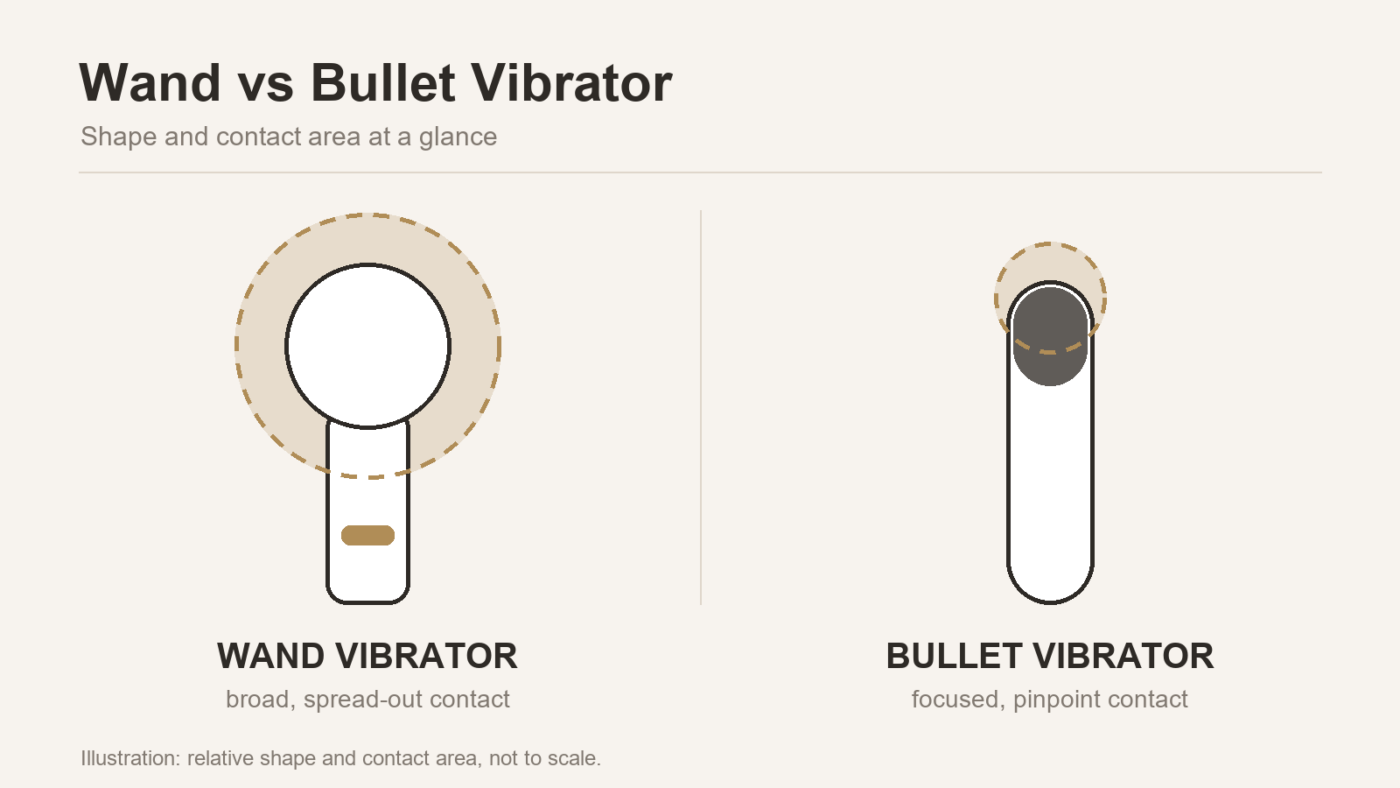
The honest answer: a wand vibrator wins on broad, strong, low-effort stimulation, and a bullet vibrator wins on precision, discretion and fitting into partnered sex. Neither is better — they solve different problems. This guide covers how each one feels, where each one falls short, what to check before buying, and how to look after a vibrator so it lasts. If you want to compare shapes first, browse our vibrator collection while you read.
The 30-second answer
Choose a wand vibrator if: you like broad, powerful, pressure-based sensation; you don’t want to hunt for one exact spot; you want a toy you can use over underwear, a clitoral hood or a thin blanket; or your hands tire quickly.
Choose a bullet vibrator if: you like focused, pinpoint stimulation; you want something small, quiet and easy to store; you want a toy that fits between bodies during partnered play; or you want a low-commitment first vibrator.
Still torn? Most people who own both keep a wand for broad intensity at home and a bullet for precision, travel and partner play — so if you genuinely can’t decide, the bullet is the safer first purchase because it costs less.
Wand vs bullet vibrator at a glance
| Wand vibrator | Bullet vibrator | |
|---|---|---|
| Shape | Handle plus a rounded, wide head | Slim, capsule-shaped, often no wider than a finger |
| Sensation | Broad — vibration spreads across more surface area | Focused — vibration lands exactly where the tip is placed |
| Power feel | Usually stronger and more rumbly | Lighter; can feel buzzy or sharp instead of deep |
| Placement | Forgiving; you don’t need perfect aim | Rewards accuracy; a few millimetres change everything |
| Noise | Usually louder and harder to disguise | Usually quieter and easier to muffle |
| Storage | Needs drawer space or its own pouch | Fits in a small bag, a drawer corner or a travel case |
| Partnered sex | Works when there’s room to position the head | Slips between bodies during oral, manual or insertive play |
| Learning curve | Low — the wide head does much of the work | Medium — finding your spot is part of the process |
| Typical price | Higher, especially full-size models | Lower; the friendliest entry point |
| Best for | Broad, strong external stimulation at home | Precision, travel, discretion, partner play |
What is a wand vibrator?
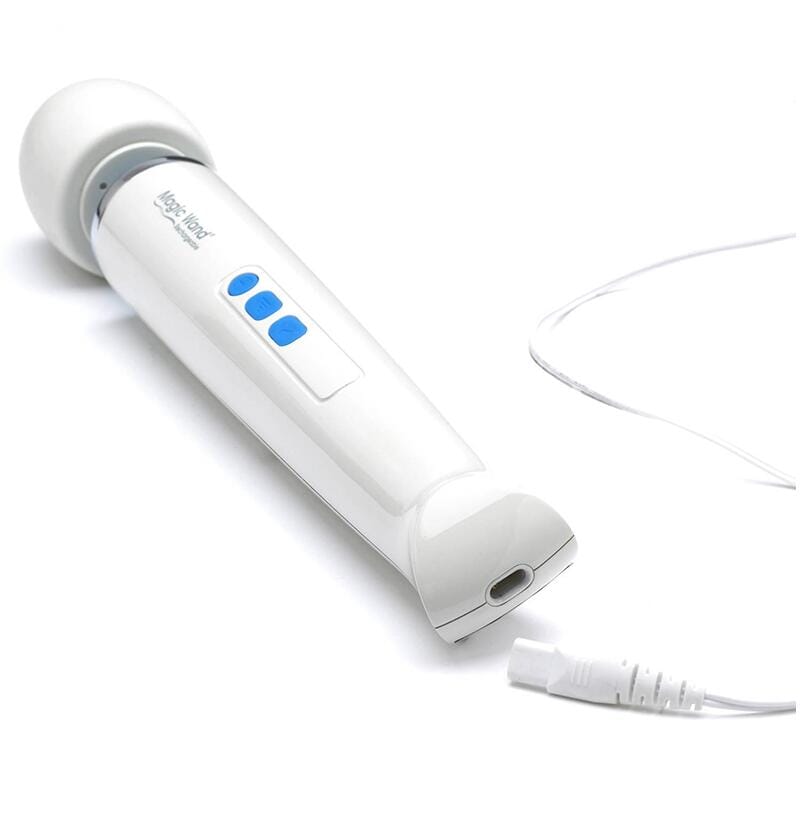
A wand is a handle with a large, rounded head on top. That single design decision — a big contact surface — is what makes a wand feel like a wand. Instead of poking one tiny point, the head spreads vibration across the vulva, the clitoral hood, the labia, the pubic mound, the inner thighs, the nipples or tight muscles. Full-size wands, midsize wands and mini wands all follow the same logic; they differ mainly in bulk and in how much motor they can carry.
How a wand feels
Broad and enveloping rather than sharp. Because the head covers more area, you can hold the toy still and let the vibration travel, press it firmly into the body, or use it over a thin layer of fabric. That forgiving contact is exactly why people who find small vibrators fiddly often prefer a wand. The trade-off is real too: a wand is heavier to hold, harder to hide and usually louder.
Who a wand suits best
Reach for a wand if you know you need firm pressure, if direct pinpoint vibration feels too sharp, if a handle is easier on your hands than a small object, or if you want one toy that also works as a body massager. Our wand vibrators range from compact wands to full-size models with a charging case, so you can match the size to how much storage and noise you can live with. The classic full-size example is the Magic Wand Rechargeable Personal Massager — the big round head and long handle that most people picture when they hear the word “wand”.
What is a bullet vibrator?
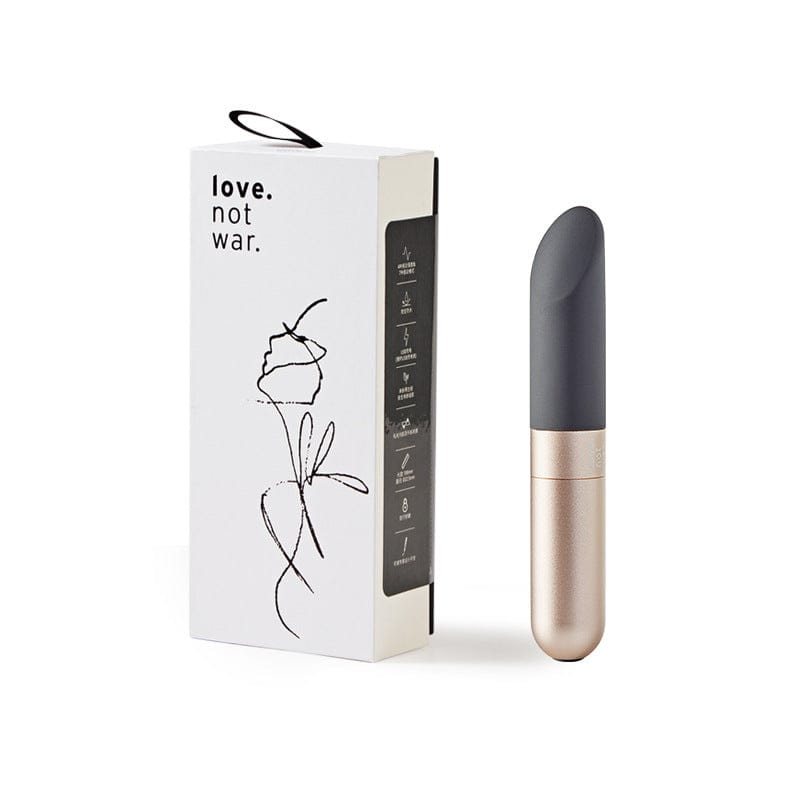
A bullet is a small, slim vibrator — usually capsule-shaped, sometimes with a slightly tapered or flexible tip. It is designed to be held in the fingers, tucked against the clitoris, pressed flat against a broader area, or slipped next to a partner’s fingers, mouth or another toy. Because the motor is small, sensation is concentrated rather than spread out.
How a bullet feels
Precise. That is the whole point: you choose the exact angle and pressure, and a few millimetres of movement shifts the feeling from “almost nothing” to “exactly right”. The flip side is that precision takes attention — if your hand drifts, the sensation changes. Small size also brings the practical wins: storage, travel, quietness and partner play, where a bullet can disappear into the moment instead of dominating it.
Who a bullet vibrator suits best
A bullet vibrator suits people who already know where they like to be touched, people who want a discreet first vibrator, and couples who want a small toy they can use together without rearranging the whole bed. It is also the classic first bullet vibrator for women who want targeted external stimulation without a bulky toy. Browse the bullet vibrators if you want to see how much variety the smallest shape actually offers; for a quiet, precise example, look at the LNW Amore Quiet Bullet Vibrator.
Sensation and power: where the two really differ
Broad contact vs pinpoint control
Most comparisons jump straight to “which is stronger”. That misses the point. The important difference is coverage. A wide head spreads energy over a bigger area, which usually feels deeper and less intense at any single point. A small head concentrates energy, which can feel sharper and more precise — sometimes more intense, even from a smaller motor, because nothing is diluted. The real question is whether your body prefers pressure spread across an area or pressure applied exactly where you aim it.
Why the top speed number tells you little
Manufacturers love a big number: more speeds, more patterns, more modes. What you actually feel is the shape of the vibration — rumbly and deep, or light and buzzy — plus how much pressure you can apply without losing contact. Many people use two or three settings out of ten, and a comfortable lowest speed is usually more useful than a dramatic highest one.
Which is better for clitoral stimulation?
The clitoris is not only the visible glans under the clitoral hood; its internal structure branches out around the vaginal opening, which is why many people respond to broad stimulation around the whole area rather than one point (Cleveland Clinic). That anatomy explains wand-versus-bullet preferences far better than any brand claim.
If direct contact feels too sharp: start with a wand
A wand lets you avoid pinpoint contact entirely. You can place the head above the clitoris, to the side, over the hood, over the labia, over underwear or against the pubic mound, and let the vibration travel. Because the head is wide, you don’t have to hold one tiny spot steady — a big advantage if your hand shakes, tires or cramps. If you want that same broad, indirect approach in a smaller format, our clitoral vibrators and stimulators are the place to look.
If you want exact placement: start with a bullet
A bullet gives you the tip, the side and the rounded body — three different contact widths in one small toy. Start with the side for a softer, wider feel, then rotate to the tip for something more direct. It is also the easiest shape to move away quickly when sensation becomes too much.
The third option: air-pulse stimulators
If vibration itself feels like the wrong sensation, the answer may be neither shape. Air-pulse (or suction) stimulators use pulses of air instead of vibration against the clitoris: contact-light, very focused, and for some people much easier to build arousal with. They are not a replacement for a wand or a bullet, but they are a genuinely different option worth knowing about before you buy.
Comfort, noise and storage
Comfort decides whether a toy becomes a habit or a drawer ornament. Think about hand strength, wrist angle, nails and how you like to lie or sit. A wand usually helps if your fingers tire from holding small objects, you want distance from your body, you can brace the toy against a pillow, or you like keeping the toy still rather than moving it constantly. A bullet usually helps if a heavier object is uncomfortable to hold, you prefer very small movements, or you change position often.
Sound matters just as much, and it usually follows size: wands are louder and harder to muffle under a blanket, while bullets are quieter and easier to cover with a hand or a duvet, though small motors can still whine at high settings. Storage follows the same pattern — a bullet fits a drawer corner or a toiletries bag, while a full-size wand wants a pouch, a box or a whole drawer compartment. If discretion is your main constraint, that difference often decides the purchase on its own. Everything we ship leaves in plain, unbranded packaging, and you can read about how orders are packed and delivered before you decide.
Solo play vs partnered play
For solo play, both shapes work — they just feel different. A wand lets you lie back and let the broad head do the work, which suits longer sessions and people who want intensity without precision. A bullet turns solo play into exploration: you can trace different spots, test angles and learn what your body actually responds to.
With a partner, a bullet usually wins on practicality. It is small enough to fit between bodies during oral, manual or insertive play, and easy for a partner to hold without getting in the way. A wand works well when there is room to position the head, and many couples like it precisely because a partner doesn’t have to maintain a fast hand rhythm. If you want something designed for two people from the start, wearable and app-controlled toys pair with either shape.
Which one is better for beginners?
Beginners often assume smaller is easier. In one respect the opposite is true: a wand is easier to use, because broad contact is forgiving and you don’t have to know your own anatomy before you start. A bullet is easier to own, because it is smaller, quieter and cheaper. So pick based on what you are unsure about.
- Unsure whether you like vibration at all? Start with a bullet — low cost, low commitment, easy to store.
- Unsure where your body likes to be touched? Start with a wand — the wide head covers more ground while you figure it out.
- Unsure about both? A mini wand sits in the middle: broader than a bullet, smaller than a full-size wand, and easier to justify as a first purchase.
Internal stimulation is a separate decision. G-spot vibrators and rabbit vibrators combine an internal shaft with external stimulation, but they are not the best first toy unless you already know you want both sensations.
Materials, lube, charging and cleaning
Body-safe, non-porous materials
Look for body-safe silicone, ABS plastic, metal or glass. Non-porous surfaces rinse clean and don’t hold on to bacteria the way cheap jelly or TPR blends can. If a listing is vague about material, treat that as a signal — material is the one specification you should never have to guess.
Lube: water-based is the safe default
Water-based lubricant works with every toy material and every condom, which makes it the safest default; it simply needs reapplying more often than silicone-based lube. Silicone-based lubricant lasts longer but can degrade silicone toys, so check the toy’s instructions before pairing them (Planned Parenthood). A wand usually needs less lube than a bullet, because broad contact creates less friction than a constantly moving pinpoint.
Charging, cleaning and storage habits
Rechargeable toys need habits, not just a cable. Charge fully before first use if the manual says so, don’t leave a toy on the charger indefinitely unless the manufacturer says it’s safe, and store the cable with the toy — a missing charging lead is the most common reason a perfectly good vibrator stops being used. Clean before first use and after every session: warm water with mild soap or a toy cleaner is enough for waterproof silicone. If the toy isn’t waterproof, don’t soak it, and keep water away from seams, buttons and charging ports. Dry it fully, then store it cool, dark and lint-free. Step-by-step cleaning instructions are on our help and FAQs page.
Five mistakes that make a good vibrator feel bad
- Assuming stronger is better. Too much intensity causes numbness and can shut arousal down. Start low, add pressure or speed gradually, and use indirect contact if direct contact is too much.
- Buying for fantasy instead of routine. If you need discretion, a full-size wand may never leave the box. If you need power, a tiny bullet may frustrate you. Buy for the version of your life that actually happens.
- Skipping lubricant. Friction is the fastest way to turn a premium toy into an uncomfortable one, especially with bullets that stay in constant motion.
- Ignoring material and cleaning. A toy you can’t clean properly becomes a toy you avoid.
- Expecting one toy to do everything. A wand and a bullet cover different moods and positions. Owning both is not indecision — it is a sensible setup.
Frequently asked questions
Is a wand always more powerful than a bullet vibrator?
Usually, but not always. Wands tend to feel stronger because they carry a larger motor and spread vibration over a wider area. A bullet can still feel intense because its vibration is concentrated on a smaller point. The practical difference is coverage versus precision, not raw power.
Which is better for clitoral stimulation, a wand or a bullet?
It depends on how your body responds. Choose a wand if direct pinpoint contact feels too sharp, or if you prefer broad pressure around the whole area. Choose a bullet if you want exact placement and the ability to move it away quickly. Both work well, but they deliver different kinds of sensation.
Are bullet vibrators good for beginners?
Yes. A bullet is small, quiet, easy to store and usually the cheapest way to find out whether you enjoy vibration. The trade-off is precision: because contact is concentrated, you may need some exploring before you find the angle that feels right. A wand is easier to aim, but bulkier and louder.
Can you use a wand or bullet vibrator during partnered sex?
Yes. A bullet is usually easier because it fits between bodies during oral, manual or insertive play. A wand works well when there is room to position the head, and it lets a partner provide strong stimulation without keeping up a fast hand rhythm. Agree on pressure and placement first.
How do I clean a wand or bullet vibrator?
Clean it before first use and after every session. Warm water with a mild soap or a toy cleaner is enough for waterproof silicone. If the toy is not waterproof, keep water away from seams, buttons and charging ports. Dry it completely, then store it somewhere cool, dark and lint-free.
What lubricant should I use with a silicone vibrator?
Water-based lubricant is the safe default because it works with every toy material and every condom. Silicone-based lubricant lasts longer but can degrade silicone toys, so check the manufacturer’s instructions first. Reapply water-based lube during longer sessions.
Final answer
If you want power, coverage and a toy that doesn’t demand much skill, buy a wand. If you want precision, quiet, portability and something that fits into partnered sex, buy a bullet. The mistake isn’t choosing the wrong one — it’s expecting one toy to be strong and pinpoint at the same time. Pick the sensation your body already likes, add the other shape later, and you will get far more use out of both.
About this guide
Written by the team at LoveAsLove.com, an adult retailer that stocks the shapes described above. We have written it to help you choose a form factor for your own body rather than to push a specific motor: the anatomy and lubricant guidance comes from the sources linked in the text, and the category pages we link to list full specifications so you can check dimensions and materials yourself. Last updated 23 September 2026.
Images: product photography from our own catalogue, plus an original shape-and-contact-area illustration drawn for this guide.