
Buying Guides
Sex Positions That Maximise Clitoral Stimulation
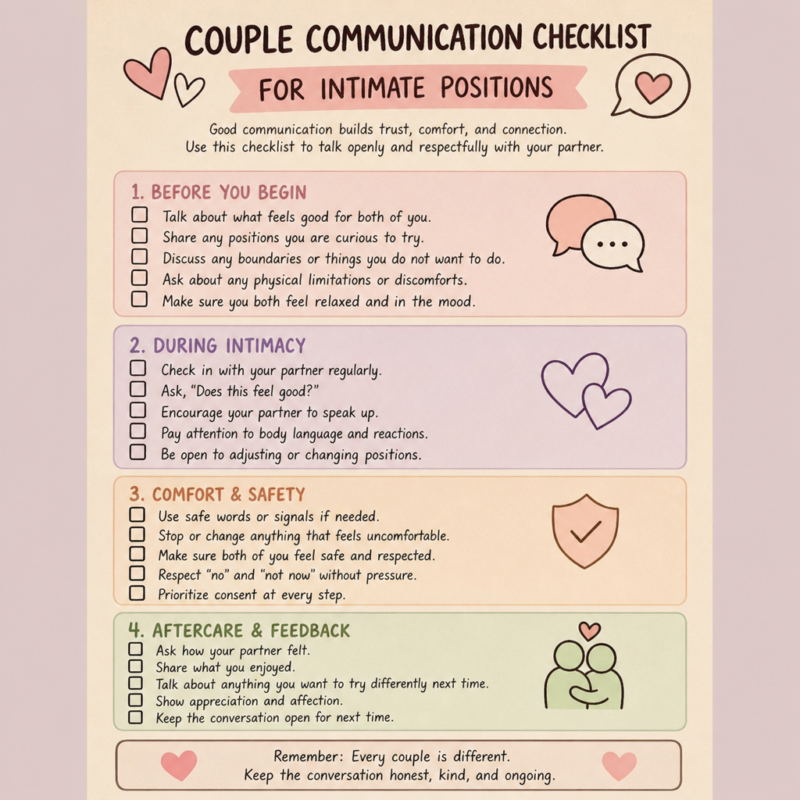
Clitoral stimulation is one of the most reliable routes to orgasm for many people with vulvas, and the right intimate positions can make it easier to combine touch, pressure, rhythm, and penetration. This guide explains how positioning changes the angle of contact, how to adapt common positions for more pleasure, and how to communicate about what feels good without turning intimacy into a performance. Use it as a practical sex positions guide for consensual adult partners who want more confidence, more connection, and more pleasure-focused options.
What makes a position better for clitoral stimulation?
A position is better for clitoral stimulation when it creates consistent contact with the external clitoris, allows easy hand or toy access, supports a comfortable rhythm, and gives the receiving partner enough control to adjust pressure and angle. Penetration alone often does not provide direct clitoral contact, so the best sex positions for clitoral stimulation usually include grinding, pelvic closeness, manual touch, or a vibrator-friendly setup.
The clitoris is not just the small external glans at the top of the vulva. It also has internal structures that extend around the vaginal opening, which is why pressure, rocking, and certain penetration angles can feel pleasurable even when the touch is not directly on the visible tip. Still, for many people, direct or indirect external stimulation is the difference between “pleasant” and “orgasmic.”
That is why the most satisfying intimate positions are rarely about acrobatics. They are usually about alignment. Small changes — a pillow under the hips, thighs closer together, a slower grind, or a hand between bodies — can completely change the sensation.
A useful clitoral stimulation position usually has at least two of these qualities:
- External contact: The pelvises, thigh, hand, or toy can stimulate the clitoral area.
- Angle control: The receiving partner can tilt their hips, open or close their legs, or control depth.
- Rhythm flexibility: The couple can shift between thrusting, rocking, grinding, and stillness.
- Comfort and support: Nobody is straining so much that pleasure becomes secondary.
- Communication space: Partners can say “more pressure,” “slower,” “higher,” or “stay there” without awkwardness.
The goal is not to find one universally perfect position. It is to understand the mechanics so you can adapt the best sex positions to your body, your partner, and the kind of stimulation you want.
Pleasure starts with anatomy, not performance
Clitoral pleasure depends on stimulation, arousal, blood flow, emotional comfort, and the nervous system. A position can help, but it cannot replace relaxation, consent, communication, and adequate warm-up. If either partner is rushing to “make it happen,” the pressure can make pleasure harder to access.
The external clitoral glans is highly sensitive, and the amount of pressure that feels good varies widely. Some people prefer direct touch, while others need stimulation through the clitoral hood, labia, underwear, a thigh, or gentle pressure around the area rather than on it. Sensitivity can also change throughout a single encounter, especially as arousal builds.
The most practical sexual pleasure tips are often simple: start softer than you think, use lubrication when helpful, ask for feedback, and let the receiving partner guide the rhythm. Penetration can be wonderful, but when the goal is clitoral stimulation, it should work with external contact rather than replace it.
Direct and indirect stimulation feel different
Direct stimulation means contact with the clitoral glans or hood. This might come from fingers, a mouth, a vibrator, a partner’s pubic bone, or a grinding motion. It can feel intense quickly, so pressure and consistency matter.
Indirect stimulation comes from pressure around the clitoris, labia, mons pubis, vaginal walls, or pelvic grinding. Many people find indirect stimulation more sustainable during penetration because it blends sensation instead of overwhelming one spot.
Neither approach is better. The best sex positions for simultaneous penetration and clitoral stimulation often allow both, so the receiving partner can shift between intensity levels without stopping.
The G-spot and clitoral system often overlap in experience
The phrase “G-spot” is commonly used to describe a sensitive area on the front wall of the vagina. For some people, pressure there feels deeply pleasurable; for others, it feels neutral, too intense, or simply not important. Because internal and external clitoral structures are connected through nerves, arousal, and pelvic anatomy, sensations can overlap.
That is why people search for the best sex positions for deep penetration clitoral stimulation g-spot pleasure. In practice, the most effective positions tend to combine an upward or front-wall angle with external clitoral contact. Depth alone is not the answer; the angle, tempo, and external stimulation usually matter more.
Core principles that make any position more pleasurable
Before exploring specific intimate positions, it helps to know the adjustments that turn average sex into more targeted stimulation. These principles apply whether you are using penetration, fingers, toys, oral sex, or a mix of activities.
Use rocking as much as thrusting
Thrusting moves in and out. Rocking keeps bodies closer together and creates friction across the clitoral area. For many couples, a shallow grind is more effective for clitoral stimulation than deep, fast penetration.
Rocking can also make penetration feel fuller without needing aggressive depth. The receiving partner can tilt their pelvis upward, press their hips into their partner, or move in small circles to find the right pressure. This is especially useful in positions where bodies are close, such as missionary variations, spooning, and seated positions.
Prioritise access
Some positions look exciting but leave no room for clitoral touch. If the receiving partner cannot reach themselves, the giving partner cannot reach comfortably, and a toy cannot fit between bodies, stimulation may become inconsistent.
Access matters more than visual drama. Choose positions where at least one person can comfortably place a hand at the clitoral area. If using a vibrator, leave enough space so it does not get pinned painfully or lose contact with movement.
Control depth instead of chasing it
Deep penetration can feel pleasurable, but deeper is not automatically better. The best sex positions for deeper penetration clitoral stimulation g-spot pleasure are usually those where the receiving partner can control depth and angle rather than simply receive intensity.
Too much depth can cause discomfort, especially if the cervix is bumped or the pelvic floor is tense. If deeper penetration is desired, build gradually, use plenty of lubrication, and pay attention to breathing, muscle relaxation, and verbal cues. Pleasure should feel chosen, not endured.
Keep the clitoral rhythm consistent
Many people need steady stimulation to reach orgasm. Changing speed, pressure, or locati0n too often can interrupt the build-up. This does not mean sex should be mechanical, but once something is working, staying with it can be more effective than constantly switching.
A simple cue helps: when the receiving partner says “like that,” treat it as useful information, not a suggestion to speed up. Maintain the rhythm unless they ask for more, less, or a change.
Best positions for clitoral stimulation
The following options are practical, adaptable, and focused on real pleasure rather than complicated choreography. Each one can be modified for different bodies, mobility levels, stamina, and preferences.
Coital alignment technique
The coital alignment technique is a close-body missionary variation designed to create more clitoral contact. Instead of thrusting from a higher angle, the penetrating partner shifts slightly upward so their pelvis or pubic bone presses and rocks against the clitoral area. The movement becomes more of a grind than a thrust.
This position can work well because it combines penetration with external pressure. The receiving partner can wrap their legs around their partner, tilt their hips, or keep their thighs closer together to increase friction. It is one of the best sex positions for clitoral stimulation because it does not require a hand or toy, though either can still be added.
To try it, start in missionary, then bring the bodies closer. The penetrating partner moves slightly higher on the receiving partner’s body and rocks slowly. The receiving partner can guide the pressure by lifting the hips, pulling the partner closer, or asking for a smaller movement.
Best for: couples who enjoy closeness, kissing, eye contact, and steady pressure. Adjust if: penetration feels too shallow or too deep; small changes in hip height can make a large difference.
Missionary with a pillow under the hips
A pillow under the receiving partner’s hips changes the pelvic angle and can make both clitoral access and front-wall stimulation easier. It can also help the receiving partner relax because the body is supported rather than held in a strained position.
This variation is especially useful when one partner wants penetration plus hand stimulation. The raised hips create more room for a hand or small vibrator. If the receiving partner closes their thighs slightly around the penetrating partner, the added pressure can increase clitoral friction.
For a more G-spot-focused angle, the receiving partner can tilt the pelvis upward while the penetrating partner uses slower, shallower strokes. For more clitoral stimulation, reduce the in-and-out motion and add grinding between strokes.
Try this adjustment checklist:
- Place a firm pillow or wedge under the hips, not the lower back.
- Keep the receiving partner’s pelvis supported and comfortable.
- Start slowly to test depth and angle.
- Add hand or toy stimulation only when the position feels stable.
- Use rocking when direct thrusting becomes too intense or distracting.
Woman-on-top or receiving partner on top
When the receiving partner is on top, they can control pressure, rhythm, depth, and angle. That makes it one of the best sex positions for simultaneous penetration and clitoral stimulation, especially when the partner on top uses rocking or grinding instead of bouncing.
The partner on top can lean forward for more clitoral contact against the other partner’s pelvis, sit upright for more depth control, or lean back for a different internal angle. Small hip circles can create steady stimulation without requiring high stamina. If a hand or toy is added, the receiving partner often has easy access and can adjust exactly where it lands.
This position also helps couples communicate because the receiving partner can demonstrate what feels good through movement. The lower partner can support the hips, thighs, or lower back without taking over the rhythm.
Best for: control, pacing, clitoral access, and experimenting with angle. Make it easier: place knees on a soft surface, use pillows for support, or switch to a seated version if thighs get tired.
Reverse on-top with clitoral access
Reverse on-top changes the angle of penetration and can create strong internal sensation. For clitoral stimulation, the key is not the reverse position itself but whether the receiving partner can still reach the clitoral area comfortably. Some people find the angle excellent; others find it less connected or less stimulating.
The receiving partner can lean forward, rest hands on the bed, and use one hand or a toy. Alternatively, they can lean back against their partner’s legs or torso if that feels stable. Since eye contact and verbal cues may be reduced, communication becomes even more important.
This position is best approached slowly. Because depth can increase quickly, the receiving partner should control descent, angle, and movement. If it feels too intense, shorten the range of motion and use a shallow grind.
Spooning
Spooning is a side-lying position that supports closeness, comfort, and easy clitoral touch. Because both partners are on their sides, the pace naturally tends to be slower and less performative. This can be ideal for long, steady stimulation.
The receiving partner can reach down with their own hand, or the partner behind can stimulate the clitoris from the front. The angle of penetration is usually less intense than in some face-to-face positions, which may help if deep thrusting feels uncomfortable. A pillow between the knees can make the hips more comfortable and improve alignment.
Spooning is also a strong option for relaxed intimacy, morning sex, lower-energy encounters, and partners who prefer sensual closeness over athletic movement. It allows whispered feedback, synchronized breathing, and gradual build-up.
Best for: gentle rhythm, sustained external stimulation, and comfort. Enhance it: have the receiving partner bring the top knee forward slightly to open the angle, or keep thighs closer for more friction.
Face-to-face side lying
Face-to-face side lying combines the comfort of spooning with more emotional connection. Both partners lie on their sides facing each other, with the receiving partner’s top leg over or between the other partner’s legs depending on comfort and anatomy. This position allows kissing, eye contact, and manual clitoral stimulation.
The movement is usually smaller, which can be a benefit. Smaller motions often make it easier to keep clitoral pressure consistent. The receiving partner can adjust the leg position to change depth and can use a hand between bodies if there is enough space.
This position may take a moment to align, so patience helps. Once it works, it can feel intimate and unhurried. It is a good choice when the goal is connection as much as orgasm.
Seated lap position
In a seated lap position, one partner sits on a chair, couch, or the edge of a bed while the receiving partner straddles them. This creates closeness and allows the receiving partner to grind against the partner’s pelvis. It is excellent for clitoral pressure because bodies remain connected.
The receiving partner can wrap arms around the seated partner, use the back of the chair for support, or place feet on the floor to control movement. Instead of lifting up and down, they can use a forward-and-back motion. This often creates more reliable clitoral stimulation and less fatigue.
The seated partner can support the hips and avoid pushing too forcefully. Because this position can create deep penetration depending on body angle, the receiving partner should lead the depth and pace.
Best for: grinding, kissing, closeness, and partner-guided rhythm. Safety note: use a stable chair or surface, avoid slippery edges, and keep feet grounded.
Edge-of-bed position
The edge-of-bed position can be adapted for clitoral stimulation when the receiving partner lies near the edge and the penetrating partner stands or kneels. It allows the receiving partner’s hips to be positioned at a useful height and gives either partner access to the clitoris.
This position can provide a strong angle for penetration, so it is important to avoid assuming deeper is better. A pillow under the hips may increase front-wall pressure, while bent knees or feet on the partner’s body can help control depth. The receiving partner can also use a hand or toy without the bodies being pressed too tightly together.
For more clitoral stimulation, pause penetration periodically and use grinding or manual touch. The position works best when the giving partner listens closely to feedback about depth, pressure, and speed.
Modified doggy style with external stimulation
Doggy style is often associated with deep penetration, but it does not automatically maximise clitoral pleasure. To make it more clitoris-friendly, add external stimulation and reduce the emphasis on hard thrusting. The receiving partner can reach between their legs, use a toy, or lower their chest and hips in a way that changes the angle.
A modified version with the receiving partner resting on elbows, pillows, or the bed can feel more supported. The penetrating partner can keep movements smaller and steadier. If the receiving partner brings the knees closer together, it may increase friction and change the internal sensation.
This can be one of the best sex positions for deeper penetration clitoral stimulation g-spot exploration, but only when the receiving partner has control and comfort. Without clitoral touch, it may be intense but not necessarily orgasmic.
Best for: people who enjoy deeper angles and can add hand or toy stimulation comfortably. Modify if: depth feels too much; lower the intensity, use shallower strokes, or switch to a side-lying version.
Prone position
In the prone position, the receiving partner lies on their stomach while the penetrating partner is above or behind. This position can create full-body pressure and strong friction, especially if the receiving partner keeps the thighs closer together. A small pillow under the hips may improve alignment.
Clitoral stimulation in this position often comes from pressure against the bed, a hand underneath the body, or a slim toy if comfortable. The movement tends to be more grinding than thrusting, which can help create steady stimulation.
Because the receiving partner’s body is partly compressed, communication matters. Breathing should feel easy, and the position should never feel restrictive unless both partners have clearly consented to that type of sensation. For many couples, the prone position works best when slow, close, and controlled.
Standing positions with clitoral contact
Standing sex can be exciting, but it is not always the easiest for clitoral stimulation. Height differences, balance, and muscle fatigue can interfere with rhythm. To make it work, use a wall, counter, or sturdy surface for support and choose a version where the receiving partner can reach the clitoris comfortably.
A standing rear-entry variation can allow hand stimulation, while a face-to-face version may create grinding if the bodies align well. However, if the focus is orgasm, standing positions often work better as a brief change of energy than as the main event.
Keep it practical. Stable footing, clear communication, and comfortable angles matter more than spontaneity. If balance becomes distracting, move to a bed or seated position and keep the same rhythm.
How can penetration and clitoral stimulation work together?
Penetration and clitoral stimulation work together best when they are coordinated rather than competing. The easiest approach is to make penetration slower, shallower, or more rhythmic so external stimulation can stay consistent. If the penetrating motion keeps knocking a hand or toy out of place, adjust the angle or reduce the range of movement.
Many couples treat penetration as the “main” activity and clitoral stimulation as an add-on. For people who need clitoral stimulation to orgasm, it is more helpful to reverse that thinking. Let the clitoral rhythm lead, then fit penetration around it.
The two-rhythm method
One effective approach is to divide pleasure into two rhythms: internal movement and external stimulation. The internal rhythm can be slow and steady, while the external rhythm stays consistent. If orgasm is building, avoid changing both rhythms at once.
For example, in receiving-partner-on-top, the partner on top might grind slowly while using a hand or toy at the clitoris. In missionary with a pillow, the penetrating partner might use smaller strokes while the receiving partner guides external pressure. In spooning, the partner behind can keep penetration gentle while their hand maintains clitoral contact.
The point is coordination. When both partners know which rhythm matters most, it becomes easier to avoid accidental interruptions.
The pressure scale
A simple pressure scale can make feedback less awkward. Before or during intimacy, the receiving partner can describe sensation from one to five:
- Too light: barely noticeable or not enough to build pleasure.
- Gentle: pleasant but not intense.
- Good pressure: sustainable and arousing.
- Very intense: exciting but may need careful control.
- Too much: overstimulating, uncomfortable, or painful.
This gives both partners a shared language. Instead of guessing, one person can ask, “Is this a three or a four?” and adjust without stopping the mood.
When toys help
A vibrator can make simultaneous penetration and clitoral stimulation easier, especially in positions where hands get tired or rhythm is hard to maintain. Small external vibrators are often easiest to fit between bodies, while wand-style toys may work better in open positions such as on-top, edge-of-bed, or modified doggy style.
Toys should not be treated as competition. They are tools for sensation, consistency, and exploration. If one partner feels insecure, it can help to frame the toy as something used together rather than a replacement for anybody’s body.
Use lubrication if needed, check that the toy is comfortable against sensitive skin, and reduce pressure if vibration becomes too intense. Sometimes placing a vibrator near the clitoris rather than directly on it feels better.
Position-by-position pleasure map
The best sex positions depend on what kind of stimulation the receiving partner wants. This quick comparison can help you choose a starting point instead of guessing.
| Goal | Positions to try | Why they help | Useful adjustment |
|---|---|---|---|
| Steady clitoral pressure | Coital alignment, seated lap, prone | Bodies stay close enough for grinding | Use rocking instead of thrusting |
| More control for receiving partner | On-top, reverse on-top, seated lap | Receiving partner controls depth and rhythm | Keep movement small and circular |
| Comfort and slower intimacy | Spooning, face-to-face side lying | Less strain and easier sustained touch | Add pillows between knees or under hips |
| Deeper angle with clitoral touch | Modified doggy, edge-of-bed, pillow missionary | Can combine front-wall pressure and external stimulation | Start shallow and add depth gradually |
| Easy toy access | On-top, edge-of-bed, spooning, modified doggy | More room for hand or vibrator placement | Let external rhythm lead the pace |
This map is not a rulebook. Bodies vary, and the same position can feel different depending on arousal, lubrication, cycle changes, stress, mood, or partner anatomy. Use it as a menu, then adapt.
Communication makes the technique work
Even the best sex positions for clitoral stimulation depend on communication. Pleasure is too individual for a partner to reliably guess every preference. Clear feedback turns experimentation into connection rather than criticism.
The most useful feedback is specific, kind, and immediate. “A little higher,” “slower,” “more pressure,” “stay there,” and “less deep” are more helpful than vague encouragement or silence. If speaking feels awkward in the moment, partners can agree on hand signals, sounds, or simple check-in words.
Before sex
A short conversation before intimacy can remove pressure. It does not need to sound clinical. Partners can talk about what they want more of, what they are curious to try, and what is off-limits.
Helpful prompts include:
- “I like positions where I can grind more than bounce.”
- “I want to try using a pillow so the angle feels better.”
- “If I say ‘stay there,’ I really mean keep the same rhythm.”
- “I may want to use my hand or a toy during penetration.”
- “Let’s slow down if anything feels uncomfortable.”
These conversations create permission. They also reduce the chance that a partner interprets guidance as rejection.
During sex
During sex, feedback should be easy to act on. If a position is almost working, change one thing at a time: pressure, angle, speed, depth, or leg placement. Changing everything at once makes it hard to know what helped.
Positive feedback is especially powerful. Telling a partner what is working gives them something to repeat. If something does not feel good, redirect toward what would feel better rather than apologising excessively or pushing through.
After sex
Aftercare is not only for intense scenes or kink. A relaxed check-in after sex can help partners learn without pressure. Talk about what felt good, what could be adjusted, and what you might like to try next time.
Keep the tone warm and curious. The goal is not to grade the encounter; it is to build a shared pleasure vocabulary.
Comfort, consent, and safety are part of pleasure
Sex should feel consensual, comfortable, and adjustable at every stage. Any partner can pause, stop, or change positions at any time. That remains true even if the position was agreed on earlier or seemed enjoyable at first.
Physical comfort also matters. Pain is not something to ignore in pursuit of a “better” position. If penetration hurts, if the clitoral area feels overstimulated, or if the body feels tense, slow down and adjust. More lubrication, more warm-up, a different angle, or a non-penetrative focus may help.
Use lubrication generously when needed
Lubrication can reduce friction, improve comfort, and make clitoral stimulation smoother. Even when someone is aroused, extra lubricant can be helpful, especially with longer sessions, condoms, toys, hormonal changes, medication effects, or stress.
Choose a lubricant that suits the activity and any toys or barriers being used. If irritation occurs, stop and consider a different formula. Comfort should not be treated as optional.
Protect joints and muscles
Some positions create strain in the knees, wrists, hips, neck, or lower back. If a position requires effort just to hold, it may become harder to enjoy. Pillows, wedges, chairs, and side-lying variations can make sex more sustainable.
Receiving-partner-on-top can be tiring for thighs. Doggy style can strain wrists or knees. Standing sex can challenge balance. There is no loss of sexiness in modifying a position so bodies feel supported.
Avoid numbness, sharp pain, or pressure that feels wrong
Pleasure can be intense, but it should not feel like injury. Sharp pain, numbness, burning, or emotional discomfort are signs to stop or change what is happening. If pain during sex is frequent or persistent, it may be worth speaking with a qualified healthcare professional.
A practical routine for exploring new positions
Trying several positions in one encounter can become distracting. A more effective approach is to choose one or two and explore them patiently. Think of it as experimenting with pleasure mechanics rather than performing a checklist.
Here is a simple structure:
- Start with arousal, not penetration. Spend time on kissing, touch, oral sex, manual stimulation, or whatever helps the receiving partner feel turned on and relaxed.
- Choose one base position. Pick something comfortable, such as on-top, spooning, or pillow missionary.
- Find the clitoral contact first. Before increasing penetration intensity, identify the pressure, hand placement, toy placement, or grinding angle that feels good.
- Add penetration gradually. Keep external stimulation steady while adjusting depth and rhythm.
- Change one variable at a time. Try a pillow, a leg position, a slower rhythm, or more pressure — not all at once.
- Stay with what works. If pleasure is building, resist the urge to switch positions for novelty.
- Debrief kindly. Afterward, share what felt best and what might be worth repeating.
This approach makes experimentation less overwhelming. It also helps partners understand why a position works, so the pleasure can be recreated later.
Common mistakes that reduce clitoral pleasure
Most missed opportunities come from speed, pressure, or assumptions. The good news is that these are easy to adjust once partners know what to look for.
Rushing the warm-up
Clitoral stimulation often feels better when arousal has had time to build. Starting with intense direct touch too quickly can feel irritating or overwhelming. Gentle, indirect, and surrounding touch may be more effective at first.
Warm-up also helps with penetration. As arousal increases, the body may become more receptive, relaxed, and lubricated. Rushing can make even a technically good position feel uncomfortable.
Treating deep penetration as the goal
Searches for the best sex positions for deep penetration clitoral stimulation g-spot pleasure are common, but depth is only one part of the experience. For some people, deep penetration is pleasurable; for others, it is distracting or painful. A deeper angle works best when it is paired with external stimulation and controlled pacing.
If deep penetration feels good, enjoy it. If it does not, there is nothing wrong with prioritising shallow strokes, grinding, oral sex, toys, or manual stimulation. Pleasure is the goal, not depth.
Changing rhythm at the wrong moment
When someone gets close to orgasm, consistency usually matters. Partners sometimes speed up, change angle, or increase pressure because they think it will help. Sometimes it does; often it interrupts the build.
A better approach is to ask or listen for cues. If the receiving partner is responding well, keep doing the same thing unless they request a change.
Forgetting that the clitoris can become overstimulated
More stimulation is not always better. The clitoris can become highly sensitive, especially near or after orgasm. If direct touch becomes too intense, switch to indirect pressure, slow down, move slightly away from the glans, or pause.
This is one reason positions with adjustable contact are useful. They allow pleasure to build without trapping the receiving partner in one sensation.
Sexual intimacy ideas beyond penetration
A guide to the best sex positions should not imply that penetration is required for satisfying sex. Many couples find that clitoral pleasure is easier to explore when penetration is optional rather than assumed. Non-penetrative intimacy can be the main event, a warm-up, or a way to continue when penetration is not comfortable.
Options include mutual masturbation, oral sex, grinding through underwear, manual stimulation, using toys together, or taking turns giving and receiving focused touch. These activities can also teach partners what pressure, rhythm, and locati0n work best, which later improves penetrative positions.
A helpful mindset is to define sex by shared pleasure rather than a specific act. This makes intimacy more flexible and less pressured. It also allows partners to build a broader menu of experiences.
Guided touch
Guided touch means one partner places their hand over the other’s or gives specific direction while being touched. This can feel intimate and educational at the same time. It is especially useful for clitoral stimulation because small differences in locati0n and pressure matter.
The receiving partner can guide speed, circles, tapping, pressure, or indirect touch. The giving partner learns through sensation rather than guesswork. Over time, this can make partnered sex feel more intuitive.
Grinding and outercourse
Grinding can create sustained clitoral pressure without penetration. It may happen against a thigh, pelvis, pillow, or partner’s body. For some people, this is one of the easiest ways to orgasm because the receiving partner can control angle and pressure.
Outercourse also reduces the pressure to perform. Partners can stay close, kiss, touch, and build arousal without needing to coordinate penetration. If penetration is added later, the body is often more prepared and the couple has already found a pleasurable rhythm.
Adapting positions for different bodies and needs
No sex positions guide should assume every body moves the same way. Flexibility, height, weight distribution, disability, pain, fatigue, pregnancy, postpartum changes, gender dysphoria, trauma history, and medication can all influence what feels good or possible. Adaptation is not a compromise; it is how good sex becomes personal.
If mobility or joint comfort is a concern
Choose supported positions first. Spooning, face-to-face side lying, seated lap variations, and pillow-supported missionary can reduce strain. Keep pillows nearby and change positions before discomfort becomes pain.
For wrist discomfort, avoid positions that require the receiving partner to support weight on hands. For knee discomfort, add cushioning or choose side-lying positions. For lower-back sensitivity, experiment with hip support and avoid extreme arches.
If height difference makes alignment difficult
Use furniture and pillows to bring bodies into better alignment. Edge-of-bed positions can help when standing height is mismatched. Seated positions may also reduce the impact of height differences because both partners can adjust their hips more easily.
Do not force a position that looks good but feels awkward. If clitoral contact keeps missing, change the setup rather than assuming the position is wrong for you.
If sensitivity changes over time
Clitoral sensitivity can change due to stress, hormonal shifts, medication, postpartum experiences, menopause, arousal level, or simply the day. What worked last time may need adjustment today. Treat that as normal information, not a problem.
Start each encounter with curiosity. Ask what kind of touch feels good now, not what “usually” works. This keeps intimacy responsive rather than routine.
How to choose the right position tonight
The right position tonight is the one that matches the receiving partner’s desired sensation, the couple’s energy level, and the amount of control, closeness, or intensity wanted in that moment. If the goal is orgasm through clitoral stimulation, start with positions that allow steady external contact and easy feedback. If the goal is exploration, choose a comfortable setup and change only one variable at a time.
A quick decision guide can help:
- If you want closeness and clitoral pressure: try coital alignment or seated lap.
- If you want control: try receiving-partner-on-top with grinding.
- If you want comfort and low effort: try spooning or face-to-face side lying.
- If you want deeper penetration plus external stimulation: try pillow missionary, edge-of-bed, or modified doggy style.
- If you want toy-friendly access: try on-top, spooning, or edge-of-bed.
- If you feel sensitive or overstimulated: use indirect pressure, slower rhythm, or non-penetrative touch.
The most reliable strategy is to begin with the clitoris in mind, not as an afterthought. Once the external stimulation feels good, add penetration, depth, or novelty around it.
Key takeaways for more clitoral pleasure
Great sex is not about memorising dozens of positions. It is about understanding how bodies create pleasure together. The best sex positions for clitoral stimulation tend to support access, pressure, rhythm, and communication.
Remember these essentials:
- Rocking often works better than thrusting for steady clitoral contact.
- The receiving partner’s control matters, especially for depth, angle, and pressure.
- External stimulation deserves priority if it is the main route to orgasm.
- Pillows, toys, lube, and furniture are practical tools, not signs that something is missing.
- Deep penetration is optional, and it works best when comfort comes first.
- Consistency helps pleasure build, so stay with a rhythm when it is working.
- Feedback is part of intimacy, not a disruption of it.
If you are exploring Sex Positions That Maximise Clitoral Stimulation, think less about performing the “best sex positions” and more about building a pleasure system that fits your body. Start with comfort, add communication, choose positions that allow steady contact, and let the receiving partner’s sensation guide the experience. That is how sexual intimacy ideas become genuinely satisfying rather than just new shapes to try.
Related products
- Satisfyer Sunray G Spot clitoral stimulation air-Pulse Vibrator With A — $94.00
- Magic Motion Bobi dual stimulation clitoral sucking&G spot vibrator — $73.99